
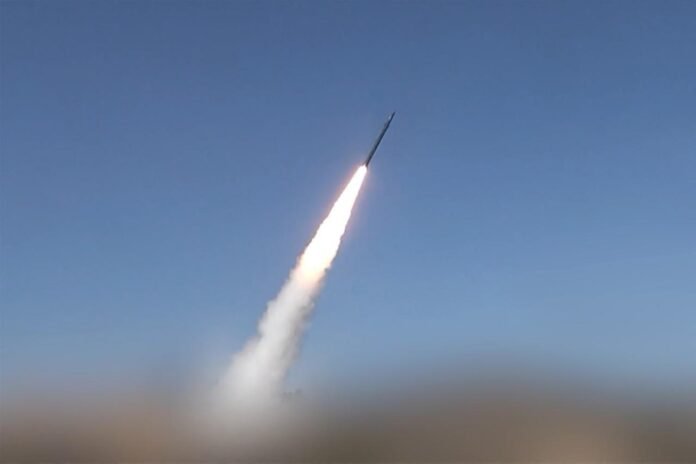
Saudi air defenses carried out several Missile Interceptions on Sunday, stopping projectiles aimed at Riyadh and southern regions. Coalition spokesperson Maj. Gen. Turki Al-Maliki confirmed that forces destroyed two cruise missiles and two ballistic missiles. The attacks represent the latest in a series of aerial threats reported across the Kingdom this month.
According to Al-Maliki, the cruise missiles targeted Riyadh and areas in southern Saudi Arabia. Meanwhile, the ballistic missiles were heading toward the capital before air defenses destroyed them. Earlier, Saudi forces also intercepted another missile directed toward the Eastern Province.
The Saudi Civil Defense issued precautionary alerts on Sunday morning for Riyadh City and Najran Province. Authorities later lifted those warnings after the immediate danger had passed. Civil Defense also issued alerts for Buqayq, Al-Ahsa Governorate and Dammam City before cancelling them.
The coalition reported at least 15 intercepted or destroyed missiles and drones across Saudi Arabia during November. These incidents involved ballistic missiles, cruise missiles and unmanned aerial vehicles targeting several regions. Consequently, security authorities have faced repeated aerial threats throughout the month.
The reported incidents began on November 1, when forces intercepted a drone and ballistic missile aimed southward. On November 2, another ballistic missile and two drones targeted Riyadh and southern areas. The following day, three drones threatened the southern, Eastern and Makkah regions.
On November 5, air defenses intercepted a ballistic missile targeting the Madinah Region. A day later, forces destroyed two drones directed toward Riyadh and Makkah. Additionally, two ballistic missiles targeting Najran were intercepted on November 7, with debris falling afterward.
Authorities began assessing possible damage following the Najran incident, although the announcement provided no confirmed assessment. On the same day, air defenses also destroyed a cruise missile heading toward Riyadh Region. These successive incidents prompted repeated public safety warnings across the country.
The latest attacks follow earlier strikes against Saudi airports, energy facilities and other civilian infrastructure. In October, attacks disrupted operations at King Khalid International Airport in Riyadh. The airport temporarily suspended services following incidents that caused civilian deaths and injuries.
Officials extended the closure to conduct safety inspections before gradually restoring airport operations under restrictions. Moreover, several international airlines continued suspending flights to Riyadh into November. Disruptions also affected services at airports in Dammam, Abha and Najran.
The wider regional conflict has added another dimension to Saudi Arabia’s security concerns. The United States and Israel began their war against Iran on February 28. Since then, tensions have increased across the Middle East, involving several regional actors.
The Iran-aligned Houthis have expanded attacks against Saudi targets during the broader confrontation. These developments have raised concerns about civilian safety, energy infrastructure and regional transport routes. In particular, attacks near strategic facilities could disrupt essential services and commercial activity.
On November 1, Al-Maliki also announced a coalition operation targeting resources supporting Houthi military capabilities. He said the operation focused particularly on equipment and resources linked to ballistic missile and drone programmes. According to the spokesperson, the Houthis used these capabilities to threaten civilians and infrastructure.
Al-Maliki also accused the group of threatening maritime shipping in the southern Red Sea. The coalition said it would continue operational measures to deter attacks and protect regional security. However, the latest interceptions demonstrate that aerial threats remain an ongoing concern for Saudi authorities.
