
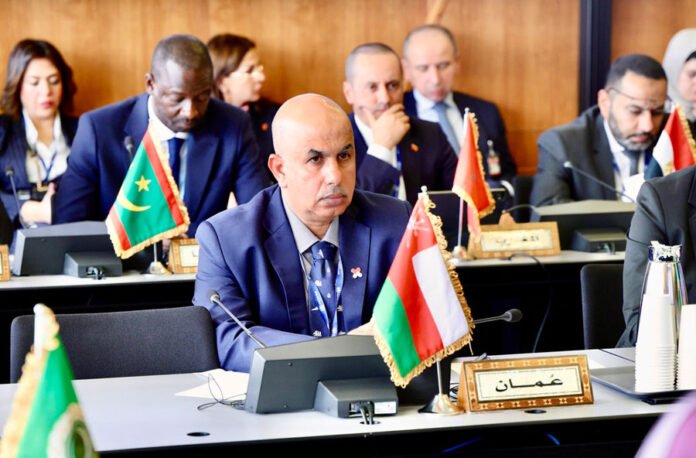
Oman has presented a broad strategy for strengthening healthcare systems and expanding international cooperation during the 79th World Health Assembly in Geneva.
The Omani delegation, led by Health Minister Hilal bin Ali Al Sabti, outlined the country’s approach to tackling major global health challenges, including communicable and non-communicable diseases, mental health pressures, antimicrobial resistance and the growing role of digital technology in healthcare.
Speaking at the assembly, Al Sabti said fragmented responses were no longer sufficient to address modern health threats, stressing the need for integrated systems focused on prevention, innovation, resilience and long-term sustainability.
He said the country’s reforms, aligned with Oman Vision 2040, include expanding digital health infrastructure, strengthening emergency preparedness and improving data governance. The minister also highlighted efforts to support mental health services, vaccination programmes and early disease detection.
The gathering at the United Nations headquarters brings together health ministers and officials from member states to discuss pressing international health concerns, including financing, digital transformation and global preparedness for future crises.
Oman also called for reforms to global health governance, arguing that stronger international coordination and technology sharing would help countries respond more effectively to future challenges regardless of economic development levels.
On the sidelines of the assembly, Al Sabti participated in the Arab-Swiss High-Level Health Dialogue, which brought together Arab officials and Swiss healthcare and technology firms to discuss investment opportunities and innovation partnerships across the region.
Discussions focused on artificial intelligence in healthcare, digital systems and long-term investment prospects in Arab health markets. Officials also explored opportunities for public-private cooperation aimed at accelerating healthcare development in the Gulf and wider Middle East.
The minister said sustainable healthcare systems depend on collaboration between governments, private companies and international institutions. He added that Oman is working to position itself as a regional partner in health innovation through regulatory reforms, digital transformation and investment in national expertise.
Separately, Omani officials joined meetings of Arab health ministers and an international alliance focused on combating antimicrobial resistance, a growing global concern linked to the overuse of antibiotics and rising drug-resistant infections.
Participants warned that antimicrobial resistance poses serious long-term risks to public health and the global economy, with countries increasingly urged to coordinate surveillance, research and prevention efforts.
