
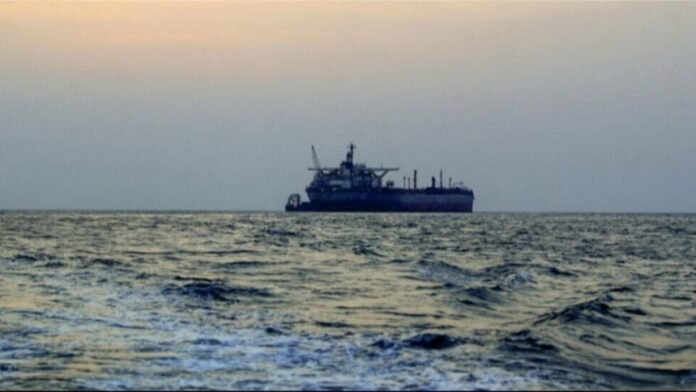
Gulf maritime safety came under serious threat Wednesday as two commercial vessels were struck by projectiles near the UAE and the Strait of Hormuz. The UK Maritime Trade Operations (UKMTO) confirmed both incidents amid rising regional tensions involving the United States, Israel, and Iran.
The first incident occurred about 25 nautical miles northwest of Ras Al Khaimah. The captain of a container ship reported that an unidentified projectile struck his vessel. Authorities noted that all crew members remained safe, and the damage is still being assessed. UKMTO heightened monitoring of maritime traffic along the UAE coast in response.
Later, a cargo ship in the Strait of Hormuz also suffered a projectile strike. The impact triggered a fire on board, forcing the crew to evacuate safely. UKMTO emphasized the need for all ships operating in the Gulf to exercise extreme caution and report suspicious activity that could endanger maritime operations.
These incidents follow a recent explosion reported near a vessel north of Abu Dhabi. A loud blast shook the ship, but the crew reported no injuries. Authorities continue to investigate and monitor the region closely to prevent further accidents.
Gulf maritime safety remains a priority as naval and military tensions escalate. International maritime authorities stress the importance of vigilance and coordination among shipping companies, coast guards, and local authorities. Shipping routes through the Strait of Hormuz and the northern UAE waters are particularly sensitive due to ongoing geopolitical conflicts.
The UKMTO urged all vessels to maintain communication and follow safety protocols. Officials highlighted that rapid reporting and adherence to maritime guidelines can prevent casualties and reduce damage. Authorities also advise shipping companies to review emergency procedures and train crews for evacuation and fire response.
These attacks underline the vulnerability of Gulf shipping lanes in the current regional climate. Gulf maritime safety depends on coordinated monitoring, timely communication, and adherence to international navigation protocols. Authorities continue to work with local and international partners to protect maritime commerce and ensure that vital trade routes remain operational despite rising tensions.
In conclusion, the incidents reinforce the need for vigilance and preparedness. Gulf maritime safety measures are critical for protecting crews, vessels, and regional trade amid escalating conflicts. Authorities continue to track developments and respond swiftly to any emerging threats.