
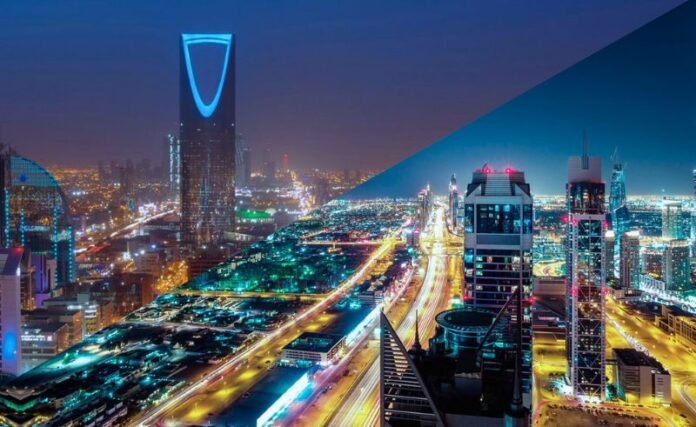
The Gulf startup investment surge reshaped the Middle East and North Africa venture capital landscape in 2025, with Saudi Arabia and the UAE firmly leading the charge. Startups in both countries attracted unprecedented investor attention, which significantly lifted regional funding levels. As confidence returned to global markets, investors increasingly focused on the Gulf as a stable and high-growth destination.
Data from MAGNiTT shows that startups in Saudi Arabia and the UAE raised a combined $3.13 billion during the year. This amount represented 91 percent of all venture capital deployed across the MENA region. Meanwhile, total regional funding reached $3.8 billion, reflecting a strong 74 percent increase compared with 2024. These figures highlight a clear concentration of capital within the two largest Gulf startup ecosystems.
Saudi Arabia emerged as the region’s top market in terms of total funding value. Startups in the kingdom secured $1.72 billion in investments, marking a sharp 145 percent increase year on year. At the same time, the UAE followed closely behind, with startups raising $1.41 billion. This figure showed an 84 percent rise from the previous year, reinforcing the country’s long-standing role as a regional innovation hub.
Beyond funding value, deal activity also showed steady growth across the region. Investors completed 688 venture capital deals during 2025, representing a six percent increase from the previous year. This rise indicated improving deal flow and greater willingness among investors to back early and growth-stage companies. Together, higher deal volumes and larger ticket sizes supported the ongoing expansion of regional startup ecosystems.
Large funding rounds played a critical role in driving overall growth. Mega-deals exceeding $100 million returned strongly, boosting total investment figures. High-profile startups such as Tamara, Tabby, and Ninja attracted significant capital, which further strengthened investor confidence. Consequently, these landmark deals helped define the Gulf startup investment surge throughout the year.
International investors also increased their exposure to the region. Global investment firms, including Blackstone and General Atlantic, participated in major funding rounds. Their involvement contributed nearly 48 percent of total capital invested across MENA. This growing foreign participation signaled rising trust in Gulf-based startups and their long-term growth potential.
Sector-wise, fintech startups attracted the highest level of funding. Companies in this sector raised $1.15 billion, reflecting a 32 percent increase compared with 2024. Artificial intelligence followed closely, securing $820 million in venture capital. Notably, AI funding tripled year on year, underscoring rising demand for advanced and scalable technologies.
Supportive policies, expanding digital infrastructure, and access to capital continued to strengthen investor sentiment. As a result, Saudi Arabia and the UAE further consolidated their leadership positions. Looking ahead, analysts expect momentum to continue as innovation accelerates. The Gulf startup investment surge now stands as a defining feature of the region’s evolving economic landscape.
