
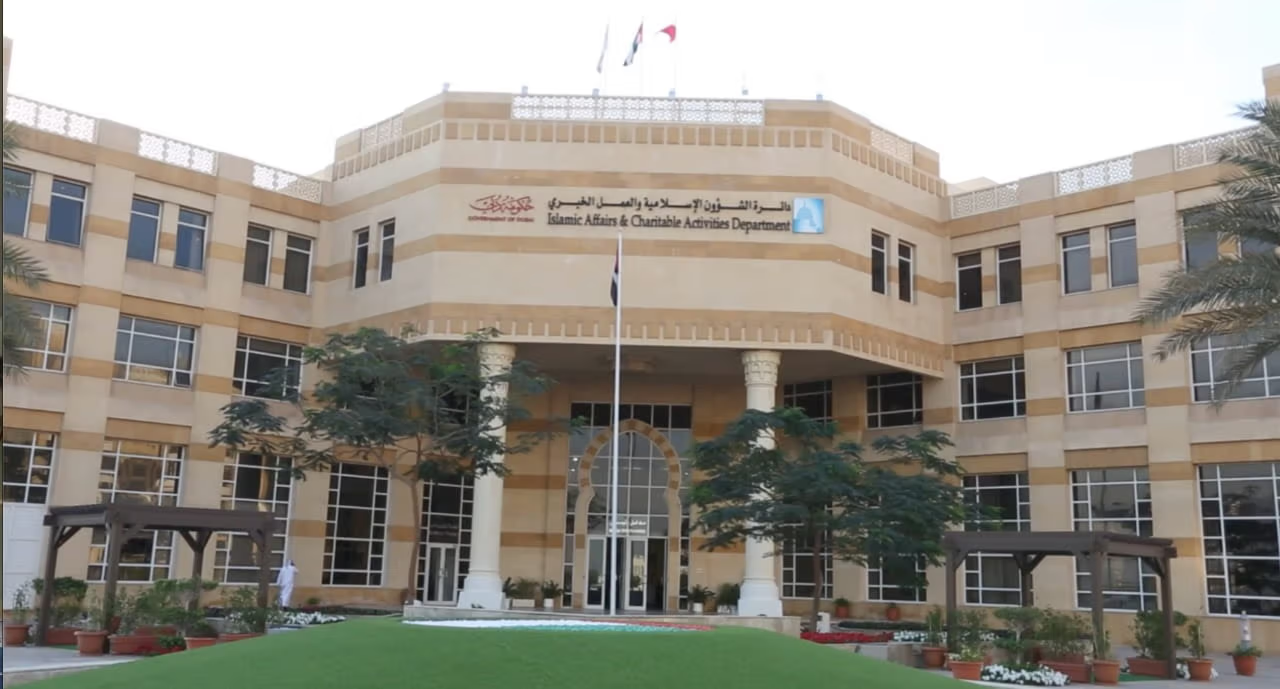
In a Dubai mosque expansion, authorities in United Arab Emirates opened 13 new mosques during the first quarter of 2026. The move aims to meet rising demand in fast-growing communities. As a result, thousands of residents will gain easier access to places of worship.
The new mosques can host more than 10,400 worshippers. Moreover, the projects form part of a wider plan to improve community services. Officials continue to focus on enhancing quality of life across the emirate.
A Dubai mosque expansion reflects ongoing urban growth across multiple districts. Population increases have created pressure on existing facilities. Therefore, authorities have accelerated infrastructure development in key areas.
The newly opened mosques serve neighborhoods with rising residential density. In addition, they support balanced service distribution across Dubai. This approach ensures that essential facilities remain accessible to all residents.
Authorities also confirmed plans for future expansion. They allocated 10 land plots for upcoming mosque projects. These sites spread across areas such as Al Awir, Hind City, and Al Khawaneej. As a result, more communities will benefit from new facilities in the coming years.
A Dubai mosque expansion also aligns with long-term development strategies. Officials linked the projects to broader urban planning goals. These plans focus on sustainability and integrated community services.
The initiative supports Dubai’s vision for organized urban growth. It ensures that infrastructure keeps pace with population changes. Moreover, it strengthens social cohesion by providing accessible worship spaces.
Officials highlighted the importance of efficient service delivery. They said the projects aim to reduce overcrowding in existing mosques. In addition, they improve convenience for residents across expanding districts.
The expansion also reflects careful planning in site selection. Authorities chose locations based on demand and population trends. Therefore, the new mosques address both current and future needs.
The projects contribute to a well-structured urban environment. They support the development of complete and balanced communities. As a result, residents benefit from improved access to essential services.
The initiative also plays a role in supporting broader social goals. It enhances community well-being and promotes inclusive development. Moreover, it reflects continued investment in public infrastructure.
The Dubai mosque expansion highlights a proactive approach to urban planning. It ensures that community needs remain a priority. The move also reinforces Dubai’s commitment to sustainable growth and service accessibility.
