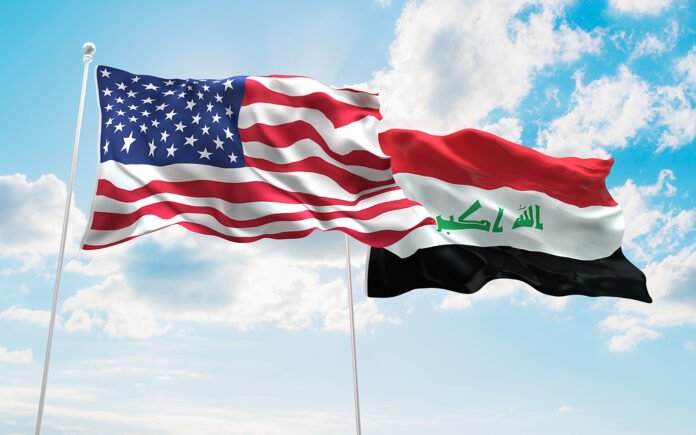
Iraq’s Coordination Framework met in Baghdad to discuss recent comments from the US envoy, who warned that “major changes” are coming soon. The bloc reviewed the situation carefully because leaders believe these remarks could influence how Iraq moves forward. They also stressed that Iraq stands at a critical moment, fully focused on shaping the next phase of government formation.
The envoy said he would visit Iraq within two weeks. He also stated that people would soon see actions rather than words. These comments quickly drew attention across the political landscape. Consequently, the Coordination Framework gathered to examine the message and consider the local impact.
Rahim Al-Aboudi explained that the meeting strengthened the bloc’s stance. He said the Coordination Framework holds the authority to lead the formation of the next government. According to him, the group continues to review every option for selecting the next prime minister. He also explained that the bloc evaluates international pressure, security dynamics, and potential reactions from political groups that may boycott the process.
Iraq now enters a decisive political stage. The Reconstruction and Development Coalition won 46 seats, giving it the largest share among single blocs. Yet the coalition still struggles to secure enough support for a second term. Internal disagreements within the Coordination Framework also complicate the process, even though the bloc backed the coalition leader in 2022.
Meanwhile, the State of Law Coalition won 29 seats. Its leaders recently suggested returning their figurehead for a third term. However, this idea increased tensions within the broader alliance, which seeks unity before negotiations with other blocs.
Sunni parties secured 77 seats and created a National Political Council to unify their strategy. Kurdish parties won 56 seats and plan to use their influence in future talks. Both groups hold enough seats to shift outcomes, and therefore both expect significant roles in shaping the next phase of government formation.
Iraq’s negotiations often take months, and this cycle seems no different. However, rising political pressure and growing public expectations demand faster progress. Because of this, many leaders believe Iraq must show clearer decisions soon. The Coordination Framework stressed that every bloc must act with responsibility, especially now, as the country moves toward shaping the next phase of its political future.