
Oman’s Sultaniyah Razat Farm has successfully produced locally grown pineapples after a 15-year research and cultivation project aimed at testing the crop’s potential in the country’s climate.
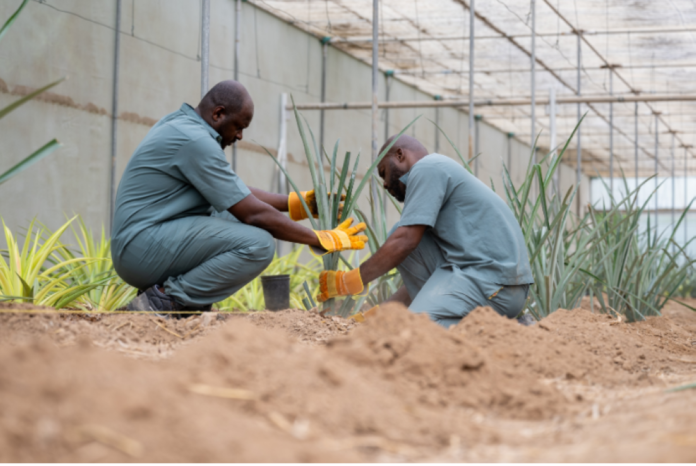
Located in Dhofar Governorate, the farm developed pineapple cultivation from small-scale trials in pots to wider production in open fields under tree shade and inside greenhouses.
The project benefited from Dhofar’s unique climate, particularly during the autumn season, when mild temperatures and high humidity create suitable conditions for tropical crops. Pineapples are typically cultivated from July to December, with fruits becoming ready for harvest after around 12 months.
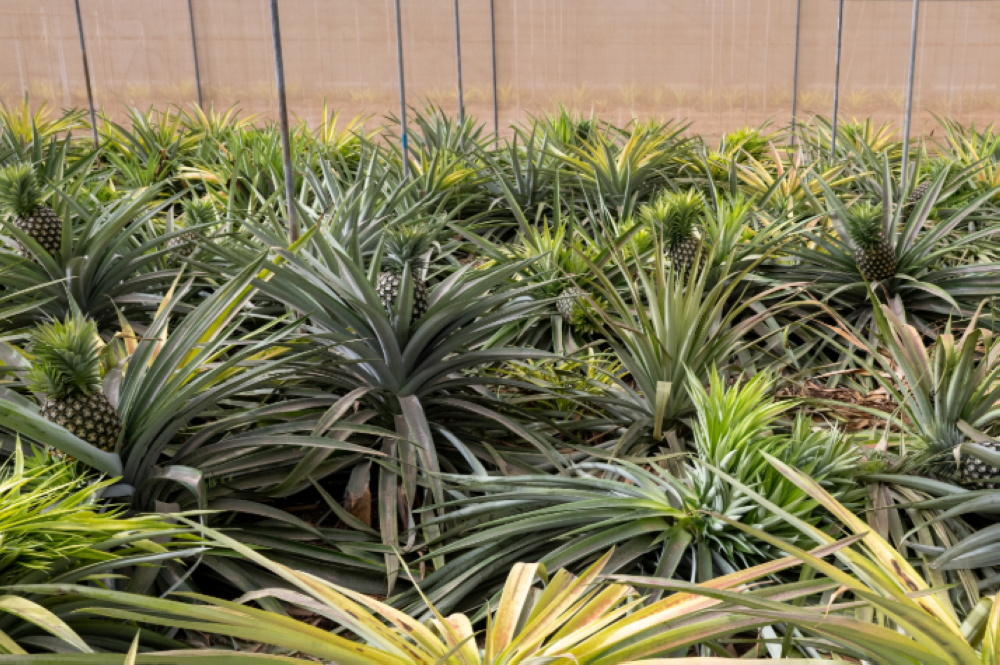
Engineer Suhail bin Saeed Al-Mashani, Senior Agricultural Engineer at Razat Al-Sultaniyah Farm, described the project as a pioneering agricultural achievement. He said several pineapple varieties were tested, including Queen, Mauritius, and MD-2.
The MD-2 variety, which is widely grown internationally, has shown strong results due to its large fruit size, sweet flavor, and high market value. The variety can produce fruits weighing between two and more than four kilograms.
Al-Mashani noted that pineapple cultivation requires relatively low amounts of water compared with other tropical crops. He added that tissue culture technology helped provide large numbers of uniform, disease-free seedlings, supporting future expansion of cultivation areas.
The successful harvest represents a step toward increasing agricultural diversity in Oman and exploring the potential of non-traditional crops. Officials said the project highlights the importance of scientific research, climate assessment, and sustainable farming practices in developing the country’s agricultural sector.
