
Kuwait highlighted the importance of patient-centered Mental Health Care on October 10, marking World Mental Health Day with a call for greater understanding and inclusion. The Ministry of Health emphasized listening to patients and their families to improve services, support recovery, and reduce stigma surrounding mental illness. This year’s international theme focused on using people’s lived experiences to create more effective and inclusive support.
Dr Khuloud Al-Ali, director of the Kuwait Center for Mental Health, addressed the issue during an event at Capital Mall. She explained that listening to patients and their families plays a central role in improving service quality. Moreover, she stressed that understanding individual experiences can help healthcare professionals support recovery and challenge harmful misconceptions about mental illness.
Al-Ali noted that effective mental health support involves more than medication and clinical treatment. Instead, providers must respect each patient’s dignity and understand their needs, concerns, and personal goals. She also highlighted the importance of involving patients and their families throughout treatment and recovery.
The director said healthcare institutions must create safe and supportive environments that protect patients’ rights. Such environments can strengthen confidence and help individuals rebuild trust in the wider community. Furthermore, she emphasized that respectful treatment should remain central to every stage of the care process.
Achieving comprehensive services also requires cooperation among different healthcare professionals, Al-Ali explained. Medical staff, nurses, psychologists, social workers, and administrative teams must coordinate their efforts. Through this collaboration, providers can offer more integrated support that responds to each patient’s circumstances.
She called on healthcare institutions to turn the World Mental Health Day message into practical improvements. In particular, providers should listen carefully, seek to understand patients’ experiences, and involve them in decisions about future services. These steps can help ensure that care reflects the needs and priorities of the people receiving it.
Al-Ali also highlighted how personal experiences can inform better services and improve quality of life. When patients share their challenges and recovery journeys, healthcare teams can better understand gaps in existing support. Additionally, these accounts can help communities recognize the realities of mental illness and respond with greater empathy.
The director praised mental health professionals for their ongoing work with patients and families. She also thanked individuals who shared their experiences to raise awareness and offer hope to others. Their contributions, she said, help encourage more open conversations about mental health and reduce the isolation some people experience.
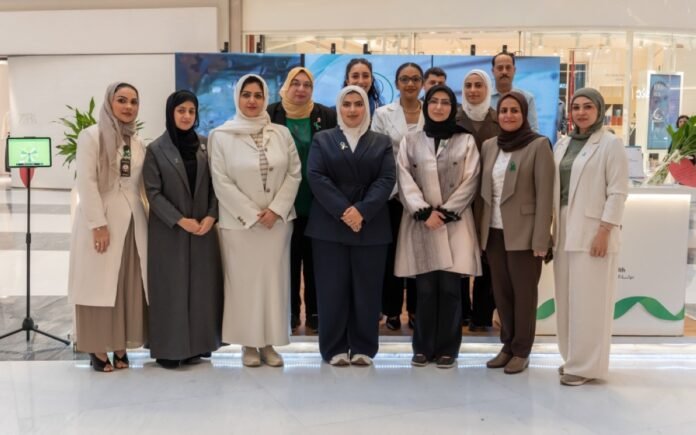
Meanwhile, the Ministry of Health organized an awareness booth at Capital Mall as part of the observance. Several doctors took part in activities designed to improve public understanding of mental health. The initiative also encouraged people to seek appropriate support when they need it.
The event aimed to reinforce the role of patients and families in treatment and recovery. It also encouraged a more supportive social environment where people can discuss mental health without fear of judgment. By addressing misconceptions, organizers sought to reduce stigma and promote greater understanding across the community.
Kuwait’s World Mental Health Day activities placed patient experiences at the center of discussions about improving services. The message reinforced the need for dignity, collaboration, and meaningful participation in treatment decisions. Ultimately, stronger Mental Health Care depends on listening to patients and translating their experiences into more responsive support.
