
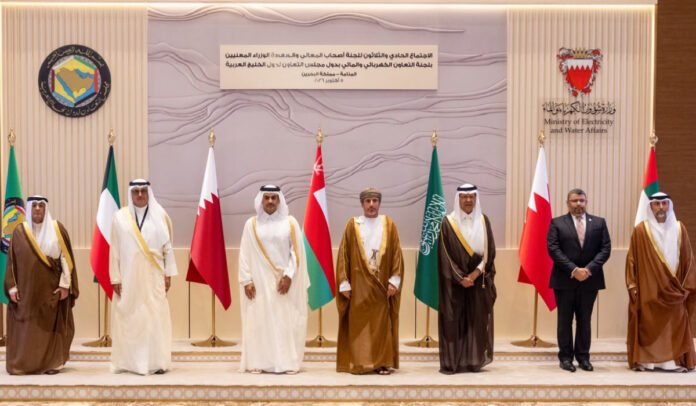
GCC Water Security has become a strategic priority as Gulf states strengthen cooperation across electricity and water sectors. GCC Secretary-General Jasem Albudaiwi highlighted the importance of these sectors during a meeting in Manama. The 31st GCC Electricity and Water Cooperation Committee meeting took place on Monday. Bahrain’s Minister of Electricity and Water Affairs Yaser bin Ebrahim Humaidan chaired the meeting.
Representatives from GCC member states participated in the meeting, including officials from Saudi Arabia. The discussions focused on cooperation across electricity and water systems among the Gulf countries. Bahrain hosted the meeting under its current presidency of the GCC committee. The gathering also provided an opportunity to review priorities affecting regional infrastructure and resource security.
Albudaiwi described electricity and water as strategic sectors for the Gulf Cooperation Council. He also identified them as important foundations for coordinated GCC action. Furthermore, he emphasized the need to strengthen cooperation between member states in these areas. Such coordination can support regional planning and improve preparedness for challenges affecting essential resources.
Water security formed another important part of the discussions in Manama. Albudaiwi stressed the importance of strengthening preparedness for potential water-related emergencies. He also encouraged GCC countries to examine wider cooperation on water infrastructure. In particular, he highlighted multilateral water interconnection projects as an area for further exploration.
These projects could support stronger coordination between Gulf countries during periods of increased demand. They could also provide additional options for responding to emergencies affecting water supplies. Consequently, regional cooperation remains an important part of discussions about long-term resource resilience. GCC member states continue examining ways to strengthen their collective capacity in essential infrastructure.
GCC Water Security also connects closely with broader efforts to improve regional resilience. Electricity and water systems support households, businesses, public services, and critical infrastructure across the Gulf. Therefore, cooperation between member states can help address shared challenges affecting these essential sectors. The Manama meeting placed those priorities within the framework of ongoing GCC coordination.
The meeting also demonstrated Bahrain’s role in leading the committee during its current presidency. Humaidan chaired discussions involving representatives from the six GCC member states. Their participation reflected the regional nature of electricity and water cooperation. Meanwhile, the committee continued examining issues requiring coordination between national authorities.
Albudaiwi’s remarks placed particular attention on preparedness and resource security. He called for stronger attention to water security alongside emergency planning. Additionally, he highlighted the potential value of connecting water systems across multiple GCC countries. Such projects could strengthen cooperation while supporting responses to future regional challenges.
The electricity sector also remains central to GCC cooperation and regional infrastructure planning. Gulf countries depend on reliable electricity supplies to support economic activity and public services. Therefore, coordination in electricity matters remains closely connected to broader regional development. The committee provides a platform for member states to discuss shared priorities.
GCC Water Security was therefore among the central priorities highlighted during the Manama meeting. Albudaiwi linked resource security with stronger collective action among GCC countries. He also emphasized preparedness as Gulf states consider potential challenges affecting essential services. The discussions could support further examination of regional cooperation projects in the future.
The meeting took place as Bahrain continued its presidency of the GCC committee. Representatives used the gathering to address cooperation involving electricity and water resources. Furthermore, the participation of all member states underscored the importance of coordinated regional planning. The committee remains a key forum for discussing shared infrastructure priorities.
The latest meeting did not announce specific timelines for proposed water interconnection projects. Instead, Albudaiwi emphasized the strategic importance of exploring multilateral cooperation. Further discussions among member states could determine potential approaches and areas for collaboration. Authorities may also continue assessing emergency preparedness and water security measures.
The meeting concluded with continued attention on strengthening cooperation across essential resource sectors. Electricity and water remain important components of the GCC’s wider regional coordination efforts. The discussions in Manama highlighted resource security, emergency preparedness, and infrastructure cooperation. Further committee meetings could build on these priorities as member states pursue greater regional resilience.
