
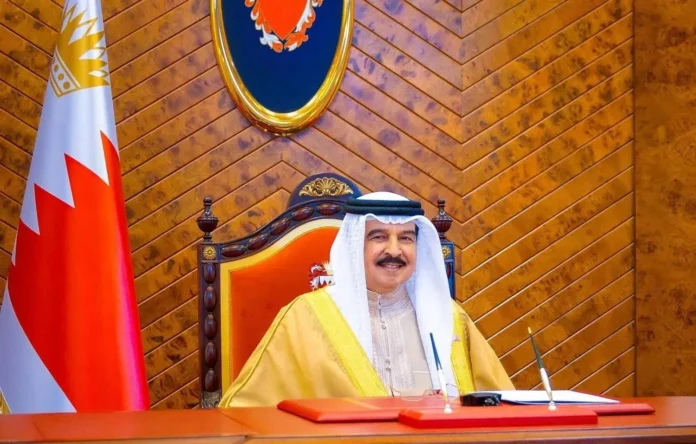
Bahrain’s National Assembly begins its fifth session of the sixth legislative term on Sunday, October 11, as King Hamad delivers a keynote Royal Address. The opening marks the start of a new phase of legislative debate and parliamentary oversight. It comes under Royal Order No. 31 of 2026, which directed the Shura Council and Parliament to convene for the session.
The session begins amid regional and international political and economic developments. Consequently, lawmakers face expectations to support national stability, sustain development efforts, and protect the country’s achievements. The opening also provides an opportunity for both councils to review priorities affecting citizens and consider ways to improve public services.
Bahrainis will look to their representatives to address everyday concerns, strengthen legislation, and monitor government plans and programmes. Moreover, cooperation between the legislative and executive branches remains important for turning policy commitments into practical results. Citizens also expect lawmakers to consider living costs, service quality, and wider aspirations for continued development.
Following the opening ceremony, the Shura Council will hold its first procedural meeting of the new session. The agenda includes reading the Royal Order and hearing an address from the council’s chairman. Members will then elect the first and second deputy chairmen in line with the council’s internal regulations.
Jamal Fakhro and Dr Jihad Al Fadhel are expected to seek continuity in their respective positions. However, the formal election process will determine whether they retain the roles of first and second deputy chairmen. The outcome will establish the council’s leadership arrangements for the legislative period ahead.
The procedural meeting will therefore help set the institutional framework for the council’s upcoming work. In addition, members will prepare to resume their legislative responsibilities following the formal opening. Their work will contribute to examining proposed laws and considering issues within the council’s remit.
Meanwhile, Parliament will convene its own procedural session under the chairmanship of Ahmed Al Musallam. Members of Parliament will elect the first deputy speaker and select the heads of standing committees. These positions play an important role in organizing parliamentary proceedings and coordinating work across different policy areas.
Consultations over nominations and the distribution of parliamentary responsibilities are continuing ahead of the selections. Therefore, the final appointments will depend on the decisions reached through the parliamentary process. The choices will help determine how Parliament organizes its work during the new session.
The National Assembly session comes at a time when regional and global developments place renewed attention on stability and economic resilience. Accordingly, lawmakers are expected to consider how legislation and oversight can support government programmes and respond to public needs. The session also renews expectations for constructive engagement between Parliament, the Shura Council, and the executive branch.
As the fifth session begins, both councils will establish their leadership arrangements and prepare for the work ahead. Their priorities include developing legislation, reviewing government performance, and addressing issues that affect citizens’ daily lives. The effectiveness of these efforts will depend on sustained cooperation and meaningful parliamentary scrutiny.
