
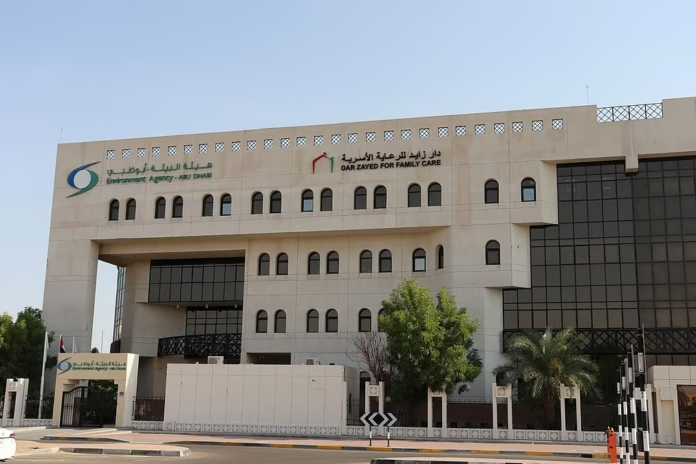
Abu Dhabi has imposed a Dh150,000 penalty under its Desert Protection efforts after a company repeatedly damaged rare natural formations in Al Dhafra. The Environment Agency – Abu Dhabi (EAD) said the company also ignored orders to stop activities harming the environmentally sensitive area. The enforcement action highlights the emirate’s efforts to preserve geological landmarks and protect fragile desert ecosystems.
The formations, known locally as Al Barqa, consist of unusual flat-topped hills shaped naturally over millions of years. They form a distinctive part of Abu Dhabi’s desert landscape and represent an important element of its geological heritage. However, the agency warned that human interference can permanently alter these features, making prevention especially important.
According to EAD, the company committed repeated environmental violations that damaged a sensitive natural habitat. Furthermore, the violations included failing to follow official decisions requiring the suspension of harmful activities. The authority responded with a financial penalty, reinforcing the requirement for businesses to comply with environmental regulations and enforcement orders.
The agency stressed that damage to Al Barqa formations cannot simply be repaired or reversed. In particular, vehicle movements and other encroachments can change their structure and affect the surrounding environment. Consequently, preventing harmful activity remains essential to preserving these formations for future generations.
Protecting Desert Heritage and Wildlife
EAD explained that the importance of Al Barqa extends beyond its unusual geological appearance. The formations also contribute to the natural environment and support habitats associated with the surrounding landscape. Therefore, protecting them helps preserve both the emirate’s geological history and the wildlife that depends on these areas.
Moreover, the authority described the formations as an irreplaceable natural legacy. Activities that disturb their structure can also disrupt species living nearby, creating wider environmental consequences. For that reason, the agency emphasized the need to prevent damage rather than rely on restoration after destruction occurs.
The penalty forms part of broader efforts to safeguard sensitive ecosystems and natural landmarks across Abu Dhabi. Meanwhile, EAD said its inspection teams would continue regular visits throughout the emirate to identify violations. These inspections also aim to ensure businesses follow environmental requirements and comply with official instructions.
Inspections and Environmental Compliance
Through continued monitoring, the agency intends to identify harmful activities and respond to breaches of environmental rules. Additionally, EAD urged businesses and individuals to take appropriate precautions when operating near fragile natural habitats. Compliance helps reduce the risk of irreversible damage to landscapes that cannot be recreated once destroyed.
The authority also highlighted regulations governing the settlement and appeal of administrative environmental violations. Under these rules, eligible offenders may settle certain penalties by paying 75 percent of the original fine. However, this option does not apply to repeat offences of the same type unless one calendar year has passed since the previous violation.
The restriction underscores the consequences of repeatedly breaching environmental requirements. In this case, the company’s repeated violations and failure to follow suspension orders led to enforcement action. The penalty also reinforces the importance of respecting official decisions designed to protect vulnerable natural areas.
Desert Protection remains central to Abu Dhabi’s approach to conserving rare geological features and their surrounding habitats. The agency’s continued inspections aim to deter harmful conduct and encourage compliance across business activities. Ultimately, preserving Al Barqa requires preventing damage before it permanently changes these distinctive formations and the ecosystems around them.
