
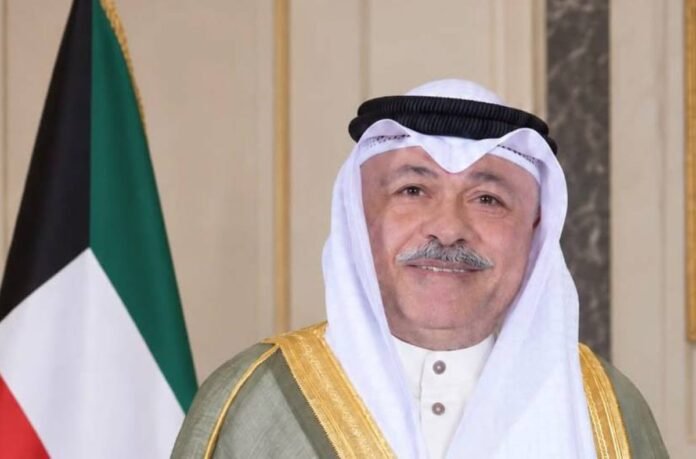
Kuwait and India are marking 65 years of formal diplomatic relations, highlighting decades of cooperation across several sectors. Kuwait India Ties reflect a partnership built through historical connections, expanding trade, and continued political engagement. Kuwait’s Ambassador to India, Meshal Al-Shamali, described the anniversary as an important milestone in bilateral relations.
Speaking on Monday, Al-Shamali said the two countries had signed nearly 40 agreements and memorandums of understanding since establishing diplomatic relations in 1961. These arrangements cover politics, defence, trade, investment, education, culture, healthcare, sports, labour, civil aviation, and energy. Furthermore, both governments are considering additional agreements and continuing negotiations on several proposed areas of cooperation.
The ambassador expressed hope that the pending arrangements would reach completion soon. He said further agreements could strengthen the partnership, particularly through closer economic and commercial cooperation. Consequently, both countries are looking to build on existing arrangements and identify opportunities for broader collaboration.
However, the relationship began long before the formal establishment of diplomatic ties. Al-Shamali explained that centuries of maritime trade and social exchanges connected communities in Kuwait and India. Over time, these historical links developed into closer official relations through diplomatic engagement and high-level visits.
The partnership gained further momentum through political exchanges and cooperation between senior officials. In December 2024, Indian Prime Minister Narendra Modi visited Kuwait, marking an important stage in bilateral relations. During that visit, both countries elevated their relationship to a strategic partnership.
The agreement also reflects the development priorities of both governments. Kuwait continues to pursue its Vision 2035 programme, while India advances its Viksit Bharat 2047 vision. Both initiatives provide a framework for economic development and wider national progress.
Al-Shamali also highlighted the importance of maintaining communication amid current geopolitical tensions. He said political and economic leaders continue coordinating on issues of mutual interest. In addition, foreign ministry consultations, joint committee meetings, and working groups remain active channels for bilateral dialogue.
Trade and investment represent another major part of the relationship. The ambassador described India as one of Kuwait’s important trading partners, noting the value of commercial links between the countries. Kuwaiti investments in key Indian sectors contribute to India’s economic development. At the same time, these investments support Kuwait’s efforts to diversify its sources of income.
Looking ahead, Al-Shamali expressed interest in expanding investment in both directions. He welcomed greater participation by Kuwaiti investors in India and encouraged more Indian investment in Kuwait. Stronger commercial exchanges could therefore create additional opportunities for businesses in both markets.
Energy cooperation remains another significant element of bilateral relations. Kuwait ranks among India’s main suppliers of oil and natural gas, according to the ambassador. He said Kuwaiti supplies meet approximately five percent of India’s energy requirements.
As the anniversary approaches, both countries continue building on longstanding political, commercial, and cultural connections. Kuwait India Ties now cover a wide range of sectors, supported by nearly four decades of agreements and ongoing discussions. The anniversary highlights the relationship’s history while pointing towards further cooperation in trade, investment, and energy.
