
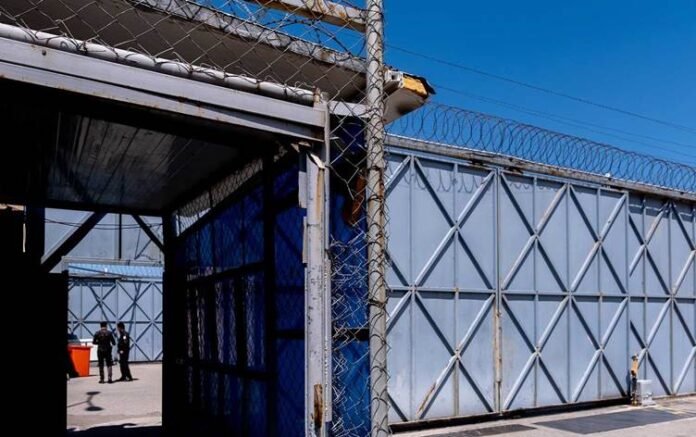
More than 7,000 prisoners regained freedom in 2025, highlighting prison overcrowding in Kurdistan Region as a growing challenge. Authorities confirmed that releases aimed to reduce pressure, yet prison overcrowding in Kurdistan Region continues to strain facilities and resources.
Officials announced that correctional centers across Erbil, Sulaimani, and Duhok released 7,152 inmates after sentence completion. Meanwhile, authorities processed releases through conditional terms, pardons, and temporary home leave programs. As a result, families reunited with inmates after lengthy legal procedures and supervision reviews.
At the same time, correctional centers admitted more than 8,500 inmates during the same year. Consequently, inmate populations continued rising despite large-scale releases. Authorities also arranged nearly 10,000 family visits, aiming to support inmate mental wellbeing and rehabilitation efforts.
Furthermore, officials approved conditional release for 1,260 inmates after legal assessments. Additionally, 57 inmates received freedom through official pardons. Authorities also granted more than 300 home leave permits under strict monitoring rules.
Rehabilitation programs expanded throughout the year to address reintegration challenges. Officials organized over 400 training courses for inmates and staff members. Moreover, religious awareness sessions and counseling programs supported behavioral reform and social responsibility.
In addition, health teams provided addiction treatment services to hundreds of inmates. Educational programs also expanded, with nearly 630 inmates attending classes inside facilities. Library visits exceeded 73,000, reflecting growing educational engagement.
However, prison overcrowding in Kurdistan Region remains severe despite these efforts. Six major correctional centers were built to hold about 3,300 inmates total. Currently, those facilities house nearly 6,000 inmates, exceeding safe operational limits.
Officials warned that some prisons now operate at nearly triple capacity. Consequently, authorities transferred convicted inmates to police detention centers. In Erbil alone, around 350 inmates now serve sentences inside Interior Ministry facilities.
Human rights officials criticized this practice as unlawful and harmful. They stressed that police stations lack rehabilitation services and proper living standards. Therefore, overcrowding continues to undermine inmate rights and correctional goals.
Legal experts also warned that infrastructure cannot sustain current inmate numbers. They argued that rehabilitation programs lose effectiveness under crowded conditions. As a result, long-term reform faces serious obstacles.
Authorities proposed a general amnesty law to reduce inmate numbers and ease pressure on facilities. Officials estimate the law could release nearly half the current prison population. However, lawmakers have not finalized approval, which delays immediate relief for the system.
At the same time, officials proposed building a new correctional complex designed to hold 5,000 inmates. Land allocation for the project is already complete. However, funding remains unavailable, as construction costs could reach $50 million.
Until solutions move forward, prison overcrowding in Kurdistan Region continues to challenge authorities. Therefore, officials must balance security needs, rehabilitation goals, and legal responsibilities. Meanwhile, limited resources keep long-term reform difficult to achieve.
