
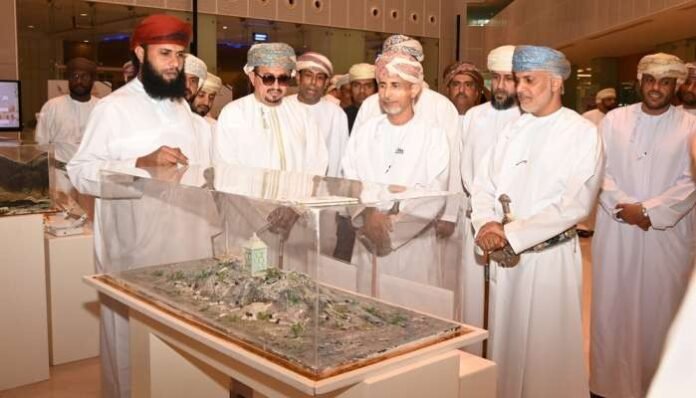
The Dhofar Hajj exhibition opened in Salalah, offering visitors a detailed look into pilgrimage rituals and preparation. The event runs for three days at the Sultan Qaboos Youth Complex for Culture and Entertainment. Organizers aim to guide pilgrims and raise awareness about the spiritual and practical aspects of Hajj. The Dhofar Hajj exhibition brings together education, culture, and community outreach in one space.
The Directorate General of Endowments and Religious Affairs in Dhofar Governorate organized the event. Local officials and community members attended the opening ceremony. The exhibition focuses on educating visitors about the steps and meanings behind Hajj rituals. It also highlights the importance of preparation before traveling to holy sites.
Visitors can explore several sections that explain key elements of the pilgrimage. One section introduces the locations where rituals take place. Another explains the role of the Omani Hajj mission and the services it provides. Organizers also included a dedicated area for non-Arabic speakers to ensure accessibility for all attendees. Health guidance remains a major focus, with advice on staying safe during travel and crowded conditions.
In addition, the exhibition uses visual displays to explain important rituals. These include Tawaf, standing at Mount Arafat, and the symbolic stoning at Jamarat. The displays help simplify complex religious practices for a wider audience. As a result, visitors can better understand each stage of the pilgrimage journey.
The Dhofar Hajj exhibition also features educational programs alongside the main displays. A specialized course on Hajj jurisprudence offers deeper insight into religious rulings. Meanwhile, a seminar discusses the spiritual significance of the pilgrimage. These sessions aim to strengthen both knowledge and faith among participants.
Organizers extended the initiative beyond the exhibition venue. They launched a preaching program across mosques and prayer halls in the governorate. This effort supports broader community engagement and reinforces key messages about Hajj. It also ensures that information reaches people who cannot attend the exhibition.
The Dhofar Hajj exhibition reflects ongoing efforts to connect tradition with modern education methods. Officials believe such events can improve awareness and preparedness among future pilgrims. They also see it as a way to promote shared values within the community. As interest continues to grow, similar initiatives may expand in the coming years.
