
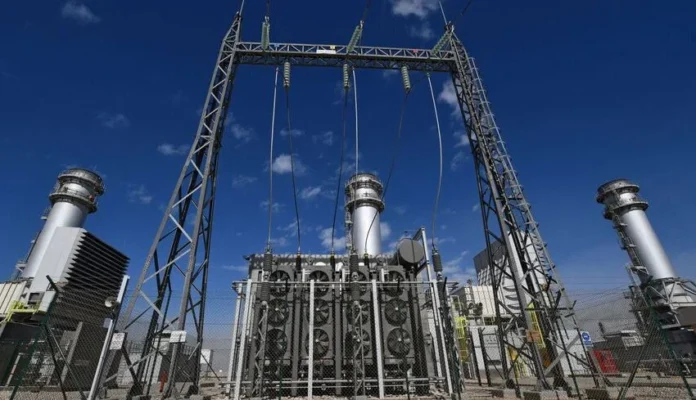
Iraq’s electricity generation capacity has reached approximately 22,000 megawatts, the Ministry of Electricity said on Saturday, as the country continues to face structural challenges in meeting rising demand.
Officials had previously outlined plans to increase output to around 30,000 megawatts during the summer period. However, even that level would remain far below expected peak consumption, which could reach up to 55,000 megawatts.
The gap between supply and demand means power shortages and scheduled outages are likely to persist across several provinces, particularly during periods of high summer heat.
A ministry spokesperson said efforts are ongoing to expand generation capacity through new infrastructure projects. However, many of these developments remain under construction and have not yet entered full operation.
The country’s electricity sector remains heavily reliant on imported fuel, particularly natural gas supplied from Iran, which powers a significant portion of Iraq’s generation facilities.
Disruptions to gas supplies—whether due to technical issues, maintenance, or financial disputes—have repeatedly affected output and contributed to instability in the power network.
Officials also pointed to recent regional tensions as a factor that has further constrained energy imports and reduced generation capacity in some periods.
Despite its vast oil and gas reserves, Iraq continues to struggle with chronic electricity shortages, especially during the summer months when demand surges across the country.