
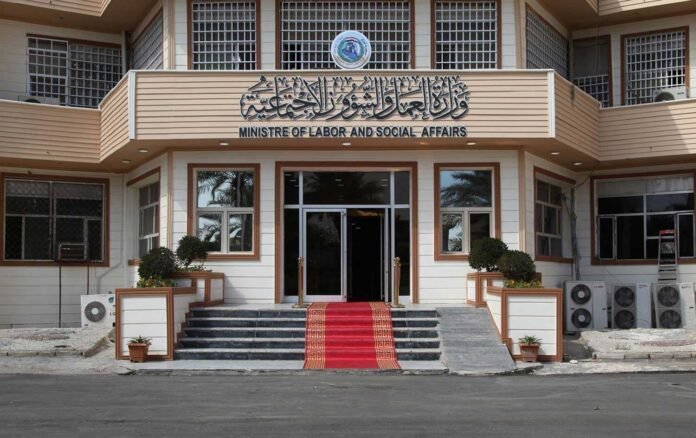
Iraq has deported 55,000 foreign workers over the past two years, authorities confirmed yesterday. Illegal worker deportation remains a key part of Baghdad’s efforts to prioritize employment for Iraqi citizens. The Ministry of Labor and Social Affairs is coordinating closely with the Interior Ministry to enforce strict residency regulations.
Spokesperson Hassan Khawam said twenty thousand illegal workers were expelled in 2024, thirty-five thousand in 2025. However, he explained that once identified, the Interior Ministry takes legal action against those violating residency rules. Each deported worker is under ban from returning to Iraq for two years under current regulations.
A 2024 Council of Ministers decision limits foreign workers to twenty percent of any workforce in Iraq. therefore, employers must ensure the remaining eighty percent of employees are Iraqi nationals to comply with labor law. Additionally, foreign workers must pay 250,000 Iraqi dinars, approximately $166, to work legally in Iraq.
Currently, forty-seven thousand foreign workers are officially in registration with the Ministry of Labor, Khawam said. Baghdad has intensified efforts to address residency violations after Interior Minister Abdul Amir al-Shammari instructed authorities to increase deportations. Monthly deportations rose from 500 to over 1,000 cases, according to Brigadier General Alaa Hussein.
Deportations in 2025 included twenty thousand in Baghdad alone and fifteen thousand in other provinces, Hussein reported to the Iraqi News Agency. The government continues monitoring workplaces and verifying residency permits across all regions to enforce compliance.
Individuals entering Iraq illegally or ignoring deportation orders may face up to one year in prison or fines ranging from 500,000 to 1,000,000 Iraqi dinars. Khawam emphasized that these measures are necessary to protect domestic labor opportunities and maintain social stability.
The Interior Ministry also implemented a temporary ban on foreign workers from Syria, Pakistan, Bangladesh, Indonesia, and the Philippines. The ban aims to reduce pressure on Iraq’s labor market while promoting legal employment opportunities for Iraqi citizens.
Illegal worker deportation demonstrates Iraq’s increasing commitment to regulating foreign labor and protecting domestic job opportunities. Officials warn that sustained enforcement is essential to maintaining labor market stability and reducing unauthorized employment nationwide.
