
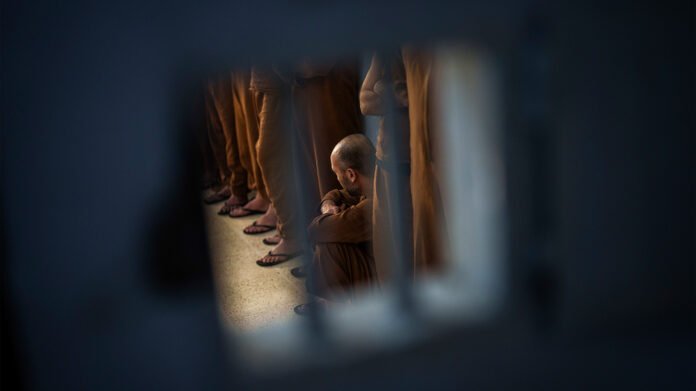
Iraq has begun a large-scale ISIS prisoner transfer from Syria, signaling major security challenges ahead. The ISIS prisoner transfer is part of Baghdad’s effort to regain control over thousands of detainees. Iraqi officials are warning that handling this influx will require substantial financial and logistical support.
Iraq’s Foreign Minister Fuad Hussein confirmed that around three thousand ISIS prisoners already entered Iraqi detention facilities. He added that the transfer process is ongoing and will continue in the coming weeks. Hussein emphasized the need for international cooperation, especially from Arab and Muslim countries willing to repatriate their citizens.
The United States military initially coordinated the movement of detainees starting January twenty-first, aiming to relocate about seven thousand fighters. This follows the rapid collapse of Kurdish-led Syrian Democratic Forces in northeastern Syria. The collapse created uncertainty over the security of prisons and detention camps in Syria.
Hussein highlighted rising concerns over ISIS activity just across the border in Syria, which could impact Iraq’s security. He noted that recent confrontations between Syrian government forces and the SDF have allowed militants to regroup and intensify attacks. Officials fear that continued unrest in Syria may embolden fighters and increase cross-border threats.
In addition, Baghdad is seeking financial assistance to support detention operations and prevent security gaps in Iraqi prisons. Hussein stressed that without proper funding, thousands of detained fighters could pose serious risks to regional stability. He also mentioned that discussions with some countries regarding repatriation have already begun.
European nations remain cautious about accepting fighters due to legal systems that may allow early releases, Hussein explained. Meanwhile, Arab and Muslim countries show more willingness to collaborate, easing Iraq’s growing responsibilities. The government continues to prioritize security measures while coordinating with international partners for sustainable solutions.
Hussein also addressed domestic politics, stating that while the United States’ signals matter, Iraq’s internal government decisions remain independent. The nomination of former Prime Minister Nouri al-Maliki is an internal matter and does not influence the ongoing prisoner transfer.
The ISIS prisoner transfer highlights the persistent challenges Iraq faces in managing security and preventing militant resurgence. Coordinated efforts and international support will determine whether Baghdad can successfully contain returning fighters. Hussein’s remarks underline the urgency of addressing both the humanitarian and security aspects of this operation.
