
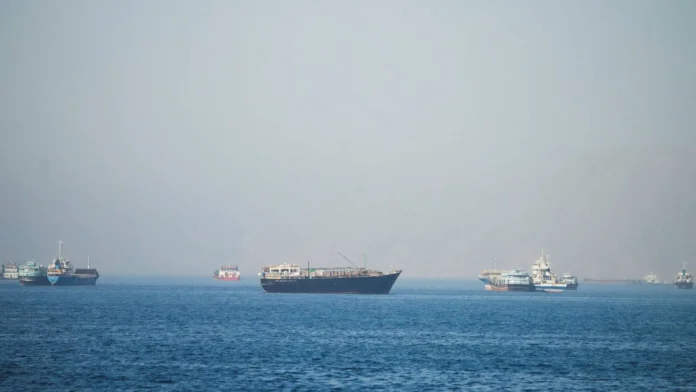
Iran has warned commercial vessels against using alternative routes through the Strait of Hormuz, saying any attempt to bypass the shipping corridor designated by Tehran could heighten regional tensions and delay the full reopening of the strategic waterway.
The warning came as US and Iranian forces exchanged new attacks across the Gulf despite a Pakistan-mediated ceasefire that took effect in April following weeks of conflict.
Iranian Foreign Minister Abbas Araghchi urged all parties to comply with the memorandum of understanding reached earlier this month, which provides for the temporary safe passage of commercial vessels through the Strait of Hormuz.
He said any new arrangements outside the agreed framework would complicate efforts to restore normal navigation and risk increasing tensions across the region.
The latest exchanges began after US Central Command said it had struck 10 Iranian military targets in response to what it described as continued attacks on commercial shipping. Iran later announced retaliatory strikes against US military bases in Kuwait and Bahrain, prompting both Gulf states to condemn the attacks.
Iran’s Revolutionary Guards said they had stepped up measures to regulate maritime traffic through the Strait of Hormuz and warned that vessels violating those rules would face stricter action.
The renewed hostilities come despite an agreement under which both Washington and Tehran pledged to avoid military action against each other. However, both sides have repeatedly accused one another of violating the ceasefire.
US President Donald Trump said further Iranian violations could trigger renewed military action, while US officials said recent strikes targeted missile and drone facilities following an attack on a commercial oil tanker.
Meanwhile, regional tensions also remained high along Lebanon’s southern border. Iran condemned recent Israeli strikes in Lebanon, while Hezbollah rejected a new agreement aimed at ending hostilities and disarming the Iran-backed group.
Analysts say further incidents in the Strait of Hormuz remain likely as negotiations continue, with the strategic waterway remaining central to regional security and global energy supplies.
