
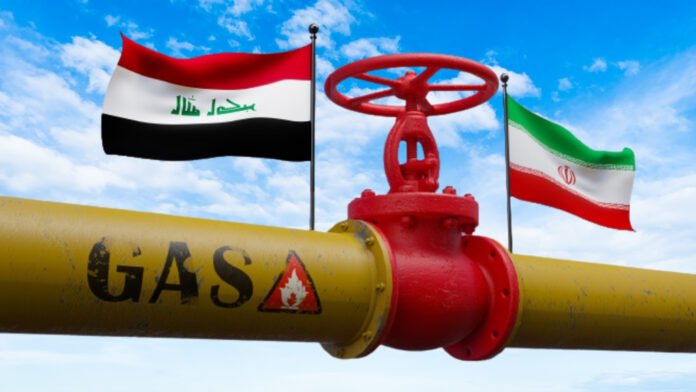
Iran has resumed gas exports to Iraq, marking a significant step in Iraq’s energy recovery. This restoration comes after a two-week suspension caused by maintenance. Furthermore, the resumption aims to support electricity generation across the country. Clearly, Iraq’s energy recovery depends heavily on regional cooperation and efficient infrastructure management.
The Iraqi electricity ministry confirmed that gas imports from Iran reached five million cubic meters on Sunday. Iraq relies on this gas to generate a portion of its electricity, which is crucial for meeting domestic demand, especially during peak summer months. Additionally, Iraqi authorities have explored alternative energy solutions to reduce dependency on imported gas.
Earlier this year, the United States ended a waiver that allowed Iraq to purchase electricity from Iran. Following this change, the government sought alternatives, including utilizing domestic natural gas and importing electricity from Jordan, Turkey, and Turkmenistan. Moreover, Iraq has started exploring renewable energy projects, signing agreements with companies based in the UAE and Saudi Arabia to build solar panel facilities.
The Kurdish region also contributes to Iraq’s electricity network. However, a recent drone attack targeted the Khor Mor gas field, causing a partial blackout and reducing power supply to federal provinces. On Sunday, the Kurdistan Regional Government restored its electricity production capacity to normal levels. Currently, the Kurdish authorities supply 700 megawatts to federal areas, helping stabilize the national grid.
Iraq faces chronic electricity shortages, which have worsened due to the suspension of Iranian gas and disruptions in the Kurdish region. Before these incidents, total electricity generation reached 27,500 megawatts. The combined disruptions caused an approximate 8,000-megawatt shortfall, significantly affecting power availability.
Despite these challenges, the resumption of Iranian gas supplies represents a positive development in Iraq’s energy recovery. It allows the government to meet growing electricity demand, maintain industrial activity, and ensure public services continue without major interruptions.
In conclusion, Iraq’s energy sector demonstrates resilience through regional cooperation and infrastructure improvements. As authorities combine imported gas, domestic resources, and renewable energy projects, the country moves closer to achieving a stable and sustainable electricity network. Iraq’s energy recovery remains essential for economic growth, social stability, and long-term development.
