
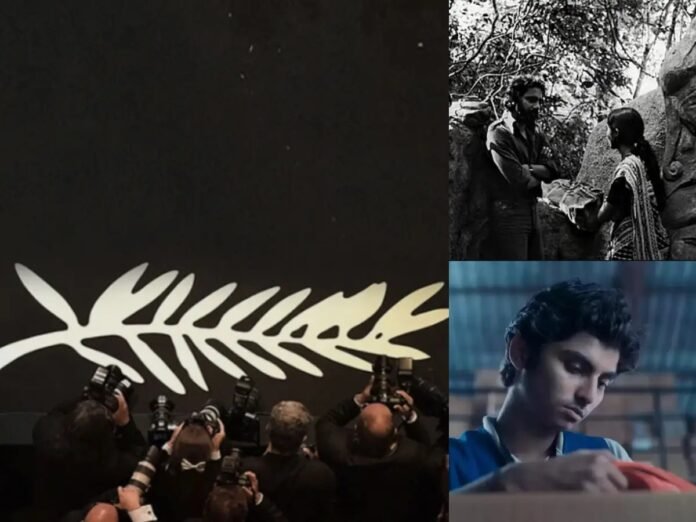
Indian cinema has continued to attract international attention at the Cannes Film Festival, with several recent films receiving extended standing ovations at the Grand Théâtre Lumière, underscoring its growing presence on the global stage.
At the 2025 edition of the festival, Neeraj Ghaywan’s film Homebound received a standing ovation lasting around nine minutes. The film, which features Ishaan Khatter, Vishal Jethwa and Janhvi Kapoor, follows the story of two friends from rural northern India whose ambitions and relationship are tested as their circumstances change. The project also had production backing from Karan Johar, with Martin Scorsese serving as executive producer.
Indian films steal the spotlight… and a long round of applause at Cannes Film Festival screenings has become an increasingly visible marker of audience reception, reflecting both critical engagement and emotional impact.
Another notable entry was Payal Kapadia’s All We Imagine as Light, which received an eight-minute standing ovation and became the first Indian film in 30 years to compete for the Palme d’Or. The film, set in Mumbai and centered on two nurses navigating personal and social challenges, later went on to win the Grand Prix award.
Anurag Kashyap’s Kennedy, presented in the Midnight Screenings section in 2023, also received a strong response with a seven-minute ovation. The dark thriller, starring Rahul Bhatt and Sunny Leone, was noted for its stylistic approach and performances.
Earlier, Neeraj Ghaywan’s debut feature Masaan premiered at Cannes in 2015, where it earned a five-minute standing ovation and went on to win awards in the Un Certain Regard section. The film, set in Varanasi, is widely regarded as an early milestone in bringing independent Indian storytelling to a wider global audience.
Indian films steal the spotlight… and a long round of applause reflects a broader trend of increasing international visibility for Indian filmmakers, as their works continue to gain recognition at major global festivals.
For audiences across the Gulf, where Indian cinema has a significant following, these developments further highlight the cultural exchange between South Asia and the wider international film industry.
