
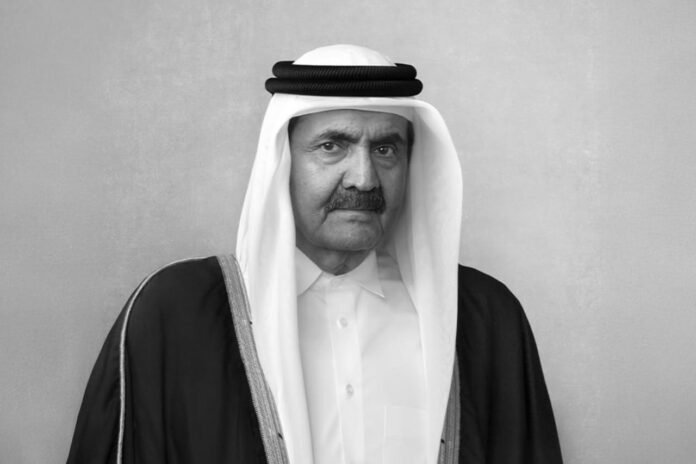
Former Qatar Emir Sheikh Hamad bin Khalifa Al Thani has died at the age of 74, marking the end of an era for the Gulf state’s modern development.
Sheikh Hamad, widely regarded as the architect of modern Qatar, ruled the country from 1995 to 2013 and oversaw major economic, social, and political changes driven by the country’s vast natural gas resources.
During his leadership, Qatar experienced rapid economic growth and became the world’s largest exporter of liquefied natural gas. His era also saw the establishment of key national institutions, including Qatar Foundation and Al Jazeera, as well as the introduction of municipal elections that allowed women to vote and run as candidates.
Under his leadership, Qatar secured the right to host the 2022 FIFA World Cup, becoming the first Arab country to organize football’s biggest international tournament.
Born in Doha in 1952, Sheikh Hamad graduated from the Royal Military Academy Sandhurst in the United Kingdom and later served as commander of Qatar’s armed forces before becoming emir in 1995.
In 2013, he voluntarily transferred power to his son, Sheikh Tamim bin Hamad Al Thani, in a peaceful transition that was considered unusual in the region.
Beyond domestic reforms, Sheikh Hamad sought to expand Qatar’s role in international diplomacy. During his rule, Doha became involved in mediation efforts in conflicts including Sudan’s Darfur crisis, Lebanon’s political disputes, and Palestinian reconciliation efforts.
His foreign policy also included support for movements during the Arab Spring and efforts to position Qatar as a regional diplomatic mediator.
Sheikh Hamad’s legacy remains closely linked to Qatar’s transformation from a small Gulf state into an influential global economic and political actor.
