
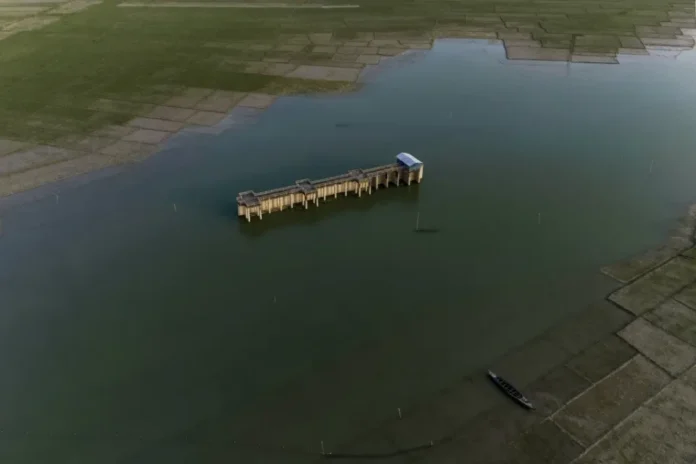
Bangladesh is pressing India to begin talks on a new Ganges water deal before their existing treaty expires on December 12, 2026. Dhaka warns that delays could deepen water shortages and put millions of people at risk. Therefore, officials want both countries to address the agreement’s future before the deadline arrives.
The current agreement dates back to 1996 and regulates how the two neighbours share Ganges water. Specifically, it governs water distribution at India’s Farakka Barrage, an important point in the river-sharing arrangement. However, Bangladesh wants a revised agreement that better reflects its water needs during the coming years.
A major priority for Dhaka is securing a guaranteed share of river water during the dry season. During this period, reliable supplies remain especially important to Bangladesh’s water management. Consequently, the government wants the new agreement to establish clearer arrangements for distributing water when availability becomes more limited.
Bangladesh also wants negotiators to consider the effects of climate change on the river system. In addition, officials are calling for discussions that account for the needs of the entire river basin. This approach would broaden negotiations beyond immediate water distribution and include wider pressures affecting the shared resource.
Despite Bangladesh’s request, Dhaka says New Delhi has not yet responded to its call for renewal negotiations. The lack of progress has raised concerns as the treaty’s expiry date approaches. Nevertheless, India maintains that discussions concerning shared rivers should proceed through the Joint Rivers Commission.
The commission provides an established channel for the two countries to discuss river-related issues. However, the differing positions have yet to produce a clear timetable for negotiations on the expiring agreement. With the deadline approaching, both governments face pressure to clarify how they intend to proceed.
The dispute also comes amid deteriorating diplomatic relations between Bangladesh and India. As a result, negotiations over shared water resources are unfolding against a challenging political backdrop. The worsening relationship could make cooperation more difficult, although the supplied information does not confirm whether formal renewal talks have begun.
The proposed Ganges water deal would determine how both countries manage an important shared river beyond the current treaty. For Bangladesh, guaranteed dry-season supplies, climate considerations and basin-wide requirements remain central priorities. Meanwhile, India has emphasised the Joint Rivers Commission as the channel for river discussions.
As December 12 approaches, the immediate issue remains whether the two governments will begin negotiations in time. Bangladesh wants a renewed framework that addresses water availability and changing environmental conditions. However, without confirmed progress, uncertainty remains over the agreement that will govern sharing after the existing treaty expires.
