
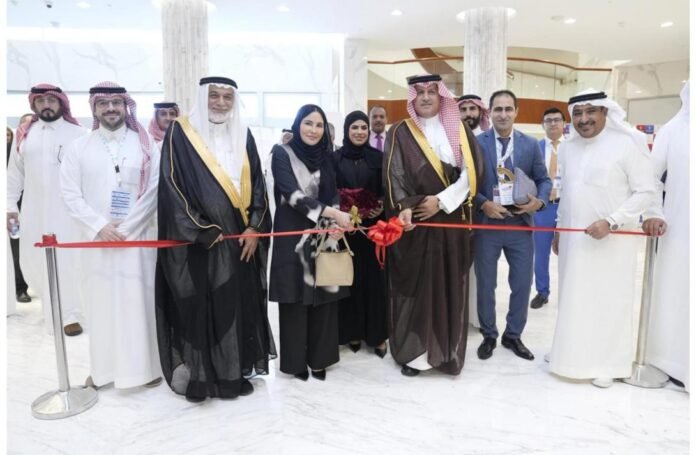
Bahrain placed artificial intelligence and digital transformation at the heart of its technology agenda during MEET ICT and BITEX 2026. The two-day events took place on October 27 and 28 at the Gulf Convention Centre. They brought together technology professionals, businesses and public-sector representatives to discuss innovation and the digital economy.
Organisers held the events under the theme “AI: Driving the Digital Economy of Tomorrow”. The Bahrain Technology Companies Society worked with WorkSmart for Events Management to deliver the conference and exhibition. Meanwhile, the Ministry of Transportation and Telecommunications highlighted the country’s ongoing efforts to strengthen its digital capabilities.
The minister, Dr Shaikh Abdullah bin Ahmed Al Khalifa, opened the events on October 27. He emphasised the role of modern technologies in supporting economic development and improving digital services. In addition, he highlighted responsible and inclusive adoption as an important part of Bahrain’s technological progress.
The ministry also confirmed that it was developing an artificial intelligence strategy to support the country’s digital transformation. This work reflects the government’s focus on infrastructure and the wider adoption of emerging technologies. However, the benefits will depend on how effectively organisations apply these tools in practice.
Artificial intelligence featured prominently throughout the events, reflecting growing interest in its business applications. Companies increasingly explore AI to process information, automate routine tasks and improve operational efficiency. Nevertheless, organisations must identify suitable uses before investing in new systems.
Successful adoption also requires reliable data, appropriate training and careful assessment of implementation costs. Furthermore, businesses must protect sensitive information and check automated outputs for accuracy. Human oversight remains important when AI-generated information influences significant decisions.
The conference offered a setting for industry participants to examine these opportunities and challenges. Through discussions about emerging technologies, professionals could consider how digital tools might support their organisations. However, practical results will depend on implementation, resources and the needs of each business.
Reliable communications networks provide a foundation for artificial intelligence and other data-intensive services. Accordingly, the ministry highlighted the importance of secure, resilient and high-capacity digital infrastructure. These networks support cloud computing, online platforms and applications that require substantial data processing.
At the same time, greater digital adoption creates additional cybersecurity responsibilities. Businesses and public institutions must protect their systems against unauthorised access and service disruption. Therefore, technology investment should include security policies, trained personnel and clear incident-response procedures.
The Bahrain AI strategy discussion also connects technological progress with responsible implementation. Organisations need to consider privacy, transparency and accountability when introducing automated systems. These safeguards can help maintain public trust while allowing businesses to explore new capabilities.
Alongside the conference, BITEX 2026 gave technology companies an opportunity to present products and digital services. The exhibition brought attention to solutions developed across the information and communications technology sector. In addition, it provided a setting for businesses to discuss potential cooperation and exchange industry knowledge.
These conversations can help organisations compare available technologies with their operational requirements. However, businesses must evaluate costs, security needs and expected benefits before adopting particular solutions. The suitability of any product depends on its practical value and the organisation’s circumstances.
Meanwhile, MEET ICT focused on broader developments and challenges within the technology industry. Together, the conference and exhibition addressed both strategic questions and the tools supporting digital transformation.
Technology alone cannot guarantee successful digital transformation. Employees also need opportunities to understand new systems, recognise their limitations and apply them effectively. For AI in particular, workers should learn to identify errors and assess the reliability of generated information.
Organisations must also establish clear procedures for handling data and reviewing automated decisions. Moreover, responsible implementation requires attention to privacy and accountability. These measures can help businesses introduce new technologies without overlooking potential risks.
Bahrain’s wider digital ambitions therefore involve infrastructure, workforce readiness and responsible innovation. The Bahrain AI strategy will be important to this direction, while its eventual impact will depend on implementation and practical outcomes.
MEET ICT and BITEX 2026 brought these priorities into focus through discussions and technology showcases. The next challenge is translating those conversations into stronger business capabilities and dependable digital services. Progress will depend on how effectively organisations adopt suitable technologies, develop skills and protect the information they manage.
