
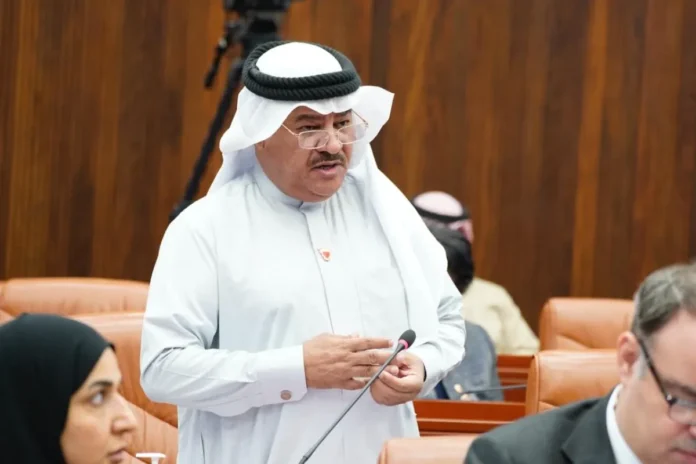
Bahrain’s parliamentary Services Committee has backed a proposal requiring Court Approval before authorities can remove society and club leaders. The committee unanimously rejected a government proposal that would have allowed ministers to dismiss board members directly. Parliament will vote on the proposed amendments during its next session.
Under the revised bill, authorities must first notify organisations about any violations. They must also give those responsible a specific period to correct the problems. However, organisations that ignore the warning could face administrative fines reaching BD50.
The proposed legislation introduces higher penalties for repeated violations. If an organisation commits another breach, authorities can double the original fine. Furthermore, each subsequent violation could result in another financial penalty.
Although ministers would retain the ability to seek disciplinary action, they could not dismiss board members independently. Instead, they would need to bring their request before a court. This arrangement would allow the affected individuals to present their arguments before a judge.
The amendments would update Bahrain’s 1989 legislation governing societies, clubs and private institutions. They would also replace certain criminal fines with administrative penalties imposed by the relevant authorities. Consequently, the proposed changes would establish a revised process for handling regulatory violations.
Organisations or individuals receiving fines would have 15 days to submit objections. The responsible authority would then have another 15 days to respond. If officials reject an objection, the affected party could challenge that decision in court within 60 days.
Authorities could enforce unpaid fines after the appeal periods expire. However, a court could suspend enforcement while considering a relevant case. Additionally, the government would transfer collected penalties into a fund supporting societies and private institutions.
The Social Development Ministry supported the original government proposal. It argued that ministers needed stronger powers to address repeated violations despite earlier warnings. According to the ministry, dismissal would remain a final measure after organisations received opportunities to correct their conduct. Nevertheless, affected board members would retain the right to challenge removal decisions.
The Bahrain Bar Society opposed giving ministers direct dismissal powers. It warned that such authority could weaken legal safeguards for society leaders. Moreover, the organisation argued that existing legislation already addressed misconduct and regulatory breaches. It also highlighted the role of unpaid volunteers in managing many community organisations.
Meanwhile, several public bodies supported the proposed amendments. These included the Youth Affairs Ministry, General Sports Authority, Bahrain Football Association and Bahrain Paralympic Committee. They argued that clearer regulations and penalties could improve accountability across societies and clubs.
Government figures also highlighted recurring administrative problems among registered organisations. The Social Development Ministry recorded 24 violations involving society records and general meetings during 2024. That figure compared with 22 cases in 2023 and 15 in 2022.
Reported violations included delayed meeting minutes and inaccuracies in membership records. Some organisations also failed to hold required general meetings or establish bank accounts. These cases have strengthened calls for clearer oversight and more consistent compliance procedures.
In addition, several civil society organisations have requested separate legislation specifically governing societies. They argue that community organisations should not necessarily follow identical rules to sports clubs and youth bodies. The Bahrain Bar Society has also warned that additional government controls could burden volunteer-led groups.
The committee’s position places judicial oversight at the centre of the proposed changes. If Parliament approves the bill, ministers will need to seek Court Approval before removing society or club board members. The final vote will determine whether Bahrain adopts the revised approach to regulating civil society organisations.
