
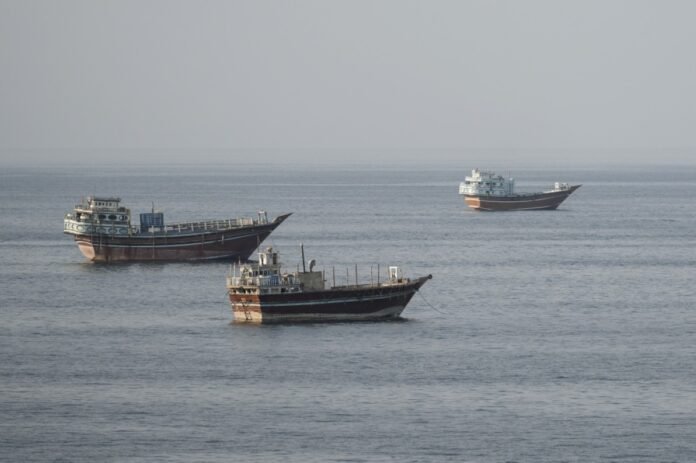
Iran has offered a Hormuz Reopening within two days, provided the United States accepts several conditions from Tehran. The proposal comes amid diplomatic efforts to prevent renewed fighting and restore security across the region. However, Iran says Washington must first address its demands before negotiations can move forward.
Iranian Foreign Ministry spokesman Esmaeil Baqaei described the proposed timeline as evidence of Tehran’s willingness to pursue diplomacy. He told reporters that reopening the strategic waterway could also create conditions for restarting negotiations. Nevertheless, he stressed that progress depends entirely on the United States accepting Iran’s conditions.
The Strait of Hormuz remains one of the world’s most important maritime routes for energy transportation. Before the conflict, the narrow passage carried approximately one-fifth of global oil consumption. However, Iran’s blockade since the war began in February has disrupted shipping and pushed energy prices higher.
In September, Tehran presented an earlier seven-day proposal to restore access through the strait. That plan included demands for an end to fighting across all fronts and the release of frozen Iranian assets. Iran also called for lifting oil sanctions and ending restrictions on its ports.
More recently, Iranian Foreign Minister Abbas Araghchi outlined additional conditions during an interview released Sunday. He said Washington must accept a new transit arrangement negotiated between Iran and Oman. Furthermore, he demanded the removal of recently imposed sanctions and a reduction in American military forces across the region.
The United States introduced additional sanctions from August, increasing economic pressure on Tehran. Iran considers these restrictions a major obstacle to reaching an agreement. Consequently, its latest proposal links maritime access directly to broader political and economic concessions.
Meanwhile, diplomatic contacts have continued through regional and international intermediaries. Officials from Pakistan, Qatar, Saudi Arabia and Turkey have held discussions with Iranian representatives. In addition, US Vice President JD Vance reportedly sent a letter to Tehran.
Oman has also pursued diplomatic engagement as tensions threaten regional stability. Sultan Haitham bin Tariq discussed the conflict with Chinese President Xi Jinping during his Beijing visit. Both leaders called for political solutions, a ceasefire and efforts to prevent another military confrontation.
China’s Foreign Minister Wang Yi separately expressed support for resolving the crisis through diplomacy. During discussions with Iranian official Ali Bagheri Kani, Wang urged all parties to avoid renewed armed conflict. He also said negotiations should focus on a practical political settlement.
Bagheri Kani maintained that Iran would continue defending its sovereignty and territorial integrity. He indicated that Tehran would not compromise on its national security. These statements underline the significant differences that still separate the parties.
Despite diplomatic contacts, military threats from Washington have continued. US President Donald Trump warned Iran during campaign events in Iowa ahead of the midterm elections. He said he wanted to avoid further casualties but threatened stronger action if necessary.
Trump also referred to potential targets inside Iran, including Pickaxe Mountain. Tehran rejects claims that the location serves as a nuclear facility. The latest exchange of warnings has added uncertainty to diplomatic efforts.
Baqaei responded by warning that any attack would trigger an immediate and comprehensive Iranian response. His statement reflects Tehran’s position as negotiations continue through intermediaries. Therefore, the possibility of reopening the strait remains closely tied to developments between Washington and Tehran.
The Hormuz Reopening proposal could offer an important step toward restoring maritime movement. However, neither side has confirmed an agreement on the conditions. Until then, shipping security, energy markets and regional diplomacy remain exposed to further uncertainty.
