
Aid worker attacks reached a record level in 2025, according to United Nations figures released Wednesday. The latest figures show that humanitarian workers faced growing dangers across several major conflict zones worldwide. Consequently, UN officials urged governments and armed groups to respect international humanitarian protections. They also called for accountability following attacks that killed, injured, or abducted humanitarian personnel.
The Aid Worker Security Database recorded 907 major incidents involving humanitarian workers during 2025. That figure represented an increase from 833 cases documented during the previous year. However, the number of fatalities declined slightly compared with the record recorded in 2024. Authorities and humanitarian organizations recorded 350 worker deaths during 2025, compared with 387 fatalities previously.
UN Secretary-General Antonio Guterres described the continuing violence against humanitarian personnel as deeply alarming. He also urged countries and conflict parties to follow international rules governing warfare. Furthermore, Guterres called for investigations and accountability when attacks target humanitarian workers. He made the remarks ahead of international events marking World Humanitarian Day.
The United Nations plans to honor humanitarian personnel who died while providing assistance during conflicts. Officials in New York and Geneva will lower flags during ceremonies commemorating those workers. Meanwhile, UN humanitarian chief Tom Fletcher highlighted another emerging threat facing aid operations. He pointed specifically to the growing use of inexpensive and adaptable armed drones.
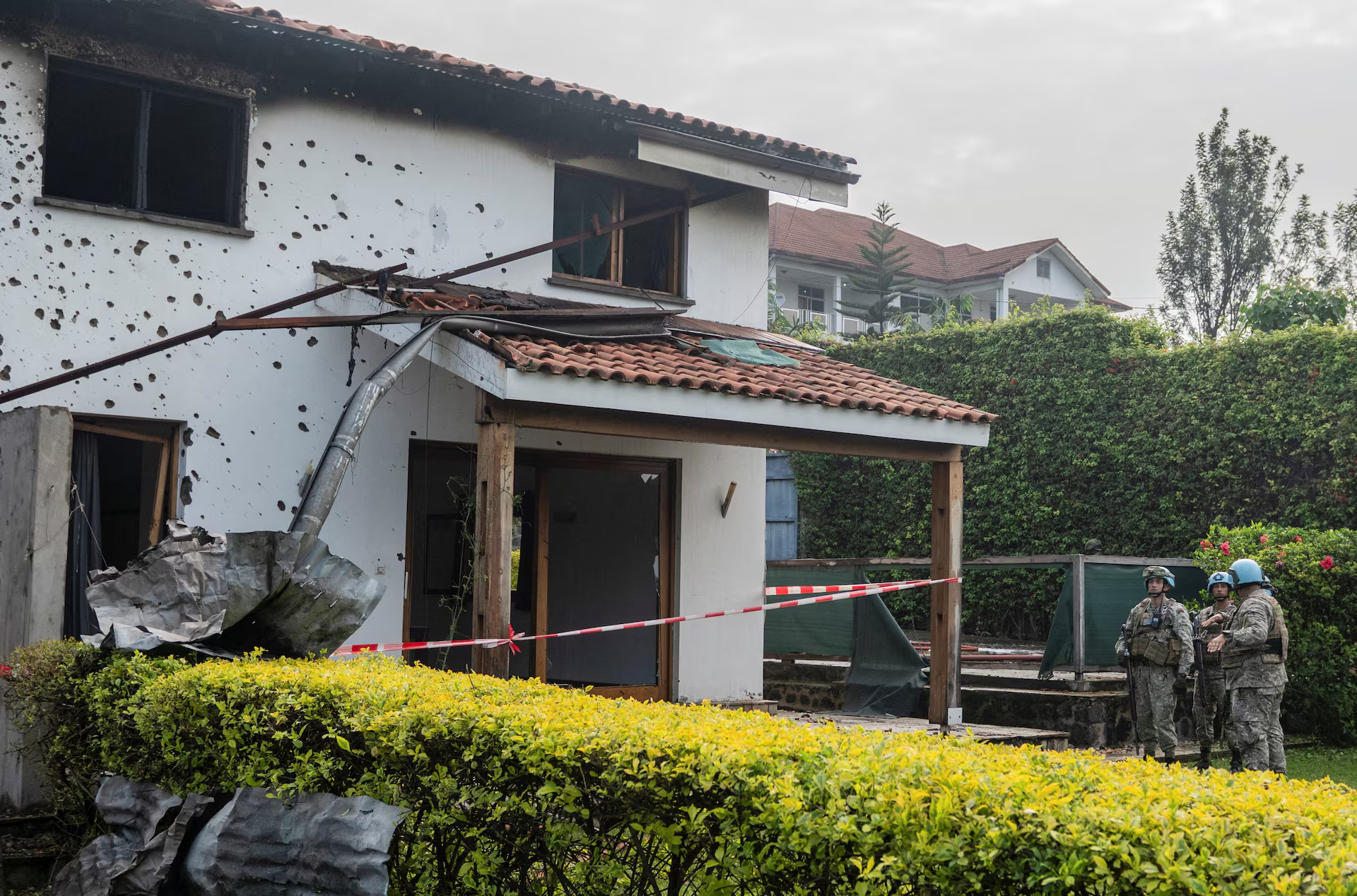
According to Fletcher, armed drones have expanded the risks facing humanitarian teams operating inside conflict areas. For example, drone strikes in Goma, eastern Democratic Republic of Congo, killed several people during March. One French humanitarian worker died during that attack, according to the reported figures. Additionally, aid convoys in Sudan and Ukraine have repeatedly faced attacks during ongoing conflicts.
Gaza recorded the highest number of humanitarian worker deaths during 2025 by a significant margin. The database recorded 186 humanitarian personnel killed in Gaza throughout the year. Sudan ranked second, highlighting the severe dangers facing aid workers across multiple conflict environments. Meanwhile, the UN Palestinian refugee agency reported additional staff deaths since fighting began.
The agency has reported that at least 393 employees died in Gaza since October 7, 2023. The conflict began after Hamas launched its attack on Israel, triggering a prolonged military campaign. Israel has repeatedly stated that its forces take extensive measures to avoid civilian casualties. Nevertheless, humanitarian organizations continue raising concerns about the safety of personnel working there.
Former UNRWA chief Philippe Lazzarini previously called for an independent, high-level investigation into staff deaths. He said such an investigation could examine the circumstances surrounding fatalities involving humanitarian employees. Similarly, humanitarian advocates have urged stronger safeguards for workers delivering assistance in conflict zones. They argue that humanitarian personnel require greater protection under international law.
Aid worker attacks have therefore become an increasingly serious concern for international humanitarian organizations. Moreover, the expanding use of drones has introduced additional challenges for aid operations. Humanitarian convoys, warehouses, shelters, and field teams can face significant risks during active fighting. Consequently, organizations increasingly must consider security threats while maintaining essential relief operations.
Humanitarian policy advocates have also warned that attacks threaten more than individual workers. Such incidents can disrupt assistance reaching civilians who depend heavily on humanitarian support. Furthermore, repeated attacks can discourage organizations from operating in areas experiencing severe humanitarian emergencies. This situation could ultimately leave vulnerable communities with fewer options for receiving essential assistance.
The latest figures therefore highlight growing dangers for humanitarian personnel operating across conflict zones. At the same time, the decline in overall deaths does not offset the record number of attacks. UN officials continue pressing governments and armed groups to uphold humanitarian protections. They also emphasize that protecting aid workers remains essential for delivering assistance during major crises.
