
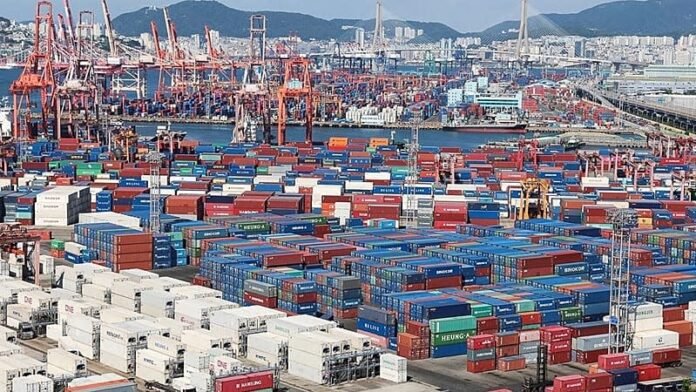
A new phase of Gulf-Asia trade corridor development is taking shape as United Arab Emirates and Qatar deepen economic ties with South Korea. The latest agreements reflect a broader shift in global trade patterns. Gulf economies are increasingly looking east to diversify partnerships. This approach aims to strengthen supply chains and expand market access.
The UAE recently signed a comprehensive trade agreement with South Korea. The deal reduces or removes tariffs on most traded goods. Officials say it covers more than 90 percent of bilateral trade. As a result, businesses in both countries expect easier access to key markets. The agreement also supports stronger investment flows across several sectors.
Trade between the UAE and South Korea has already shown steady growth. Non-oil exchanges reached nearly $7 billion in 2025. Authorities expect that number to rise further in the coming years. The agreement opens new opportunities in technology, logistics, and manufacturing. It also aligns with long-term economic diversification plans.
At the same time, Qatar has increased its engagement with South Korea. A recent delegation traveled to Seoul to explore new partnerships. Talks focused on advanced industries such as artificial intelligence and semiconductors. Both sides also discussed biotechnology and high-tech manufacturing. These efforts signal a coordinated push toward a stronger Gulf-Asia trade corridor.
Officials from all three countries emphasize the importance of collaboration. They highlight the need for resilient supply chains in a changing global environment. Economic partnerships like these aim to reduce reliance on traditional markets. In addition, they encourage innovation and knowledge exchange. This strategy supports sustainable growth across regions.
South Korea continues to expand its presence in the Gulf region. The latest agreements mark a significant step in that direction. They also reflect Seoul’s growing interest in Middle Eastern markets. Meanwhile, Gulf countries see Asia as a key partner for future growth. This shared vision strengthens the foundation of the Gulf-Asia trade corridor.
The developments point to a shift in global economic dynamics. Countries are forming new alliances to adapt to evolving challenges. The Gulf region plays a central role in this transformation. By building stronger ties with Asia, it aims to secure long-term stability and growth. These partnerships could reshape trade routes in the years ahead.
