
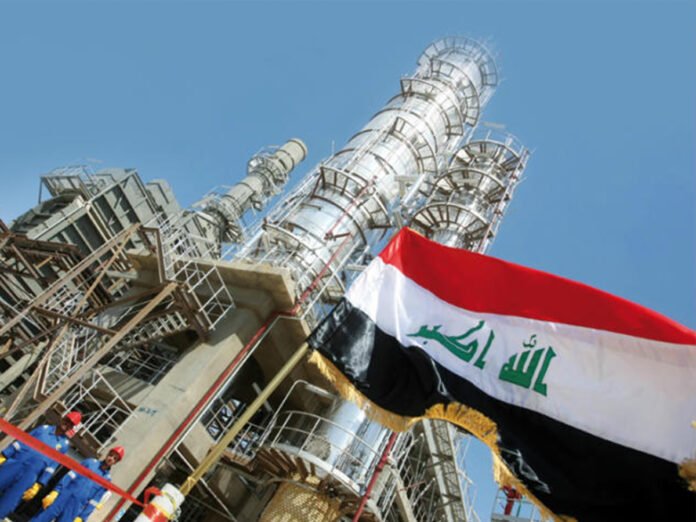
The Iraq economic vulnerability continues to raise concerns as rising regional tensions expose deep structural weaknesses. Moreover, the country still depends heavily on oil revenues to fund public spending. As a result, any disruption quickly affects financial stability.
Iraq holds vast oil reserves. However, the economy relies on oil for over 90% of state income. Therefore, global price swings and supply disruptions create constant risks. This reliance limits flexibility and weakens long-term planning.
Officials confirm that oil remains the main revenue source. Meanwhile, this model leaves the economy exposed to external shocks. In addition, current tensions have already disrupted exports in some cases. Revenue declines have started to strain public finances.
These pressures directly affect government obligations. For example, salary payments for millions of workers face increasing uncertainty. Thus, economic stability now depends on factors beyond national control.
At the same time, policymakers aim to reduce this dependence. The government has started to support agriculture and industry. Moreover, officials want the private sector to play a larger role. These efforts aim to strengthen the Iraq economic vulnerability situation over time.
Agriculture policies now focus on boosting local production. For instance, authorities purchase crops at competitive prices. In addition, they provide farmers with essential inputs and protection measures. Therefore, local producers gain more support.
Meanwhile, industrial development also receives attention. The government allocates land and ensures fuel supply for factories. Furthermore, it encourages the use of modern technology. These steps aim to revive national production capacity.
Experts argue that deeper reforms remain necessary. For example, economists highlight low productivity outside the oil sector. As a result, overall economic output per person remains limited. This issue places Iraq among weaker performers in productivity.
Some analysts suggest major financial reforms. They recommend modernizing the banking sector to support investment. In addition, they call for funding large projects with export potential. These measures could create new revenue streams.
Tourism and services also offer untapped opportunities. Therefore, experts urge policymakers to develop these sectors further. They also emphasize improving the business environment. This approach could attract both local and foreign investment.
Another key concern involves heavy reliance on imports. Analysts argue that local industries need stronger protection. Meanwhile, reviving inactive factories could support domestic production. These steps may reduce external dependence.
Recent reports from national institutions reinforce these concerns. They stress the urgent need to diversify income sources. Otherwise, the Iraq economic vulnerability will continue to grow. Fluctuating oil prices will keep threatening financial stability.
Iraq faces a critical economic moment. The country must balance immediate needs with long-term reforms. Without diversification, risks will continue to rise. However, with focused action, the economy can move toward stability.
