
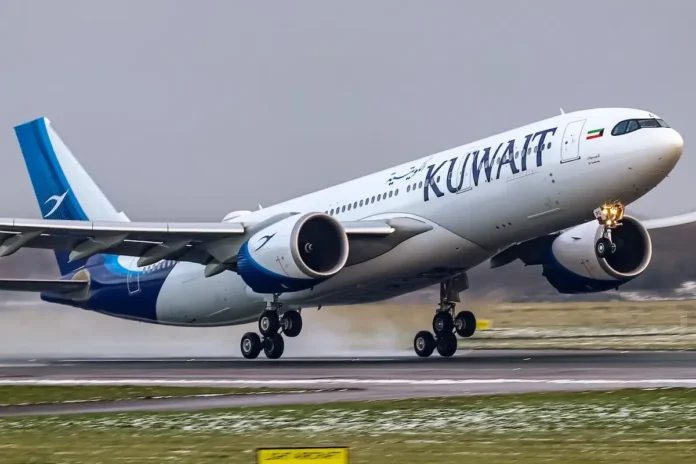
Kuwait flight refund policy update has introduced strict rules to protect passengers affected by ongoing flight disruptions. Authorities now require airlines and travel agencies to refund all canceled bookings within 15 working days. Therefore, the new directive aims to strengthen consumer rights during operational disruptions.
In Kuwait, the Public Authority for Civil Aviation issued the order on Tuesday. Officials linked the decision to the continued suspension of flights at Kuwait International Airport. Moreover, they stressed the need to safeguard passenger rights during exceptional circumstances.
The authority confirmed that passengers will receive full refunds for unused tickets. In addition, travelers can claim refunds for partially used tickets without restrictions. Even non-refundable fares now qualify under the new policy.
Airlines and agencies cannot force passengers to accept vouchers or credit alternatives. Instead, they must provide direct refunds unless the passenger agrees otherwise. As a result, the policy increases financial flexibility for travelers.
Kuwait flight refund policy update also covers additional travel services. These include hotel bookings, car rentals, baggage fees, and travel insurance. Therefore, passengers can recover most costs linked to canceled travel plans.
Travel agencies must coordinate with service providers to ensure reimbursement. If recovery becomes impossible, agencies must present clear proof. Consequently, the policy introduces stronger accountability across the travel sector.
In addition, refunds must return through the original payment method. However, passengers and agencies may agree on alternative methods. Authorities also allow deductions only if service fees were clearly disclosed at booking time.
Meanwhile, the Kuwait Association of Travel Agents supported the directive. Officials described the circular as fair and balanced for all parties. They also emphasized that service fees reflect actual work performed during bookings and coordination.
Furthermore, the association noted increased operational pressure due to exceptional conditions. Therefore, it argued that transparent fee structures remain important for sustainability. However, it still confirmed compliance with the new refund rules.
At the same time, regulators continue to monitor airline compliance closely. They aim to ensure timely refunds and prevent disputes between passengers and providers. As a result, enforcement measures may strengthen if violations occur.
Kuwait flight refund policy update reflects broader efforts to stabilize the aviation sector. Authorities expect smoother passenger experiences once operations resume fully. Consequently, the policy strengthens trust between travelers and the aviation industry.
