
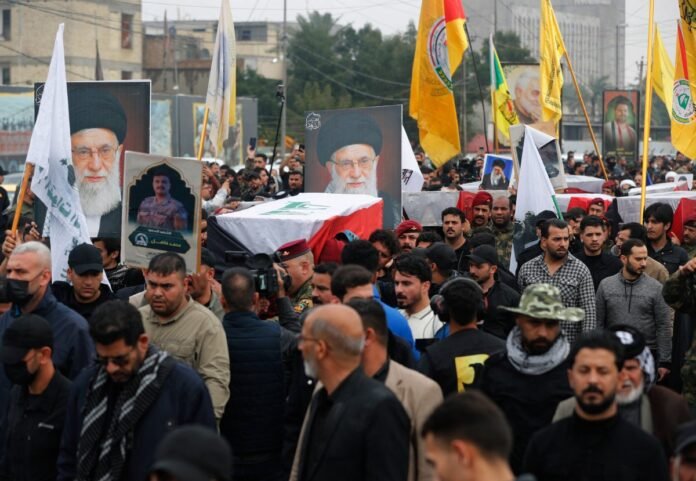
Iraq diplomatic escalation intensified on Tuesday after Baghdad announced plans to summon U.S. and Iranian envoys. The government took this step after recent strikes hit multiple military sites. Officials said they will issue a formal protest note to both sides.
In Iraq, the National Security Council held an emergency meeting. Prime Minister Mohammed Shia’ al-Sudani chaired the session. Leaders discussed rising attacks on security forces and military bases. They also reviewed the wider security situation across the country.
Furthermore, officials confirmed that Iraq will summon the U.S. charge d’affaires and the Iranian ambassador. The Foreign Ministry will deliver formal protest notes. These notes will address repeated attacks on military positions inside Iraq. As a result, Baghdad aims to pressure both sides diplomatically.
Iraq will submit an official complaint to the United Nations Security Council. Officials said they will describe the strikes as acts of aggression. They also plan to demand an immediate halt to further attacks. Iraq diplomatic escalation continues to shape the government’s response strategy.
Meanwhile, security officials discussed how to respond to ongoing threats. They agreed to strengthen defensive measures across key military sites. Moreover, they emphasized Iraq’s right to respond under international principles. Authorities said they will defend national sovereignty using all available means.
Earlier reports confirmed a deadly missile strike in northern Iraq. The attack targeted positions linked to Kurdish Peshmerga forces. It killed several personnel and injured dozens more. In addition, other strikes hit Popular Mobilization Forces bases in different regions.
At the same time, Iraqi officials blamed multiple external actors for the rising violence. They pointed to repeated attacks on both federal and regional forces. Therefore, tensions continue to rise between local and international stakeholders.
Iraq diplomatic escalation reflects growing pressure on Baghdad to manage competing alliances. Officials now face increasing challenges in balancing relations with both Washington and Tehran. However, leaders stressed that Iraq will prioritize national security above all else.
In response, the Popular Mobilization Forces demanded stronger political action. They urged the government to stop repeated violations of sovereignty. In addition, they called for firm measures against future attacks.
Iraq diplomatic escalation has entered a critical stage. Officials continue diplomatic outreach while preparing security responses. Meanwhile, regional tensions remain high, and further developments may follow soon.
