
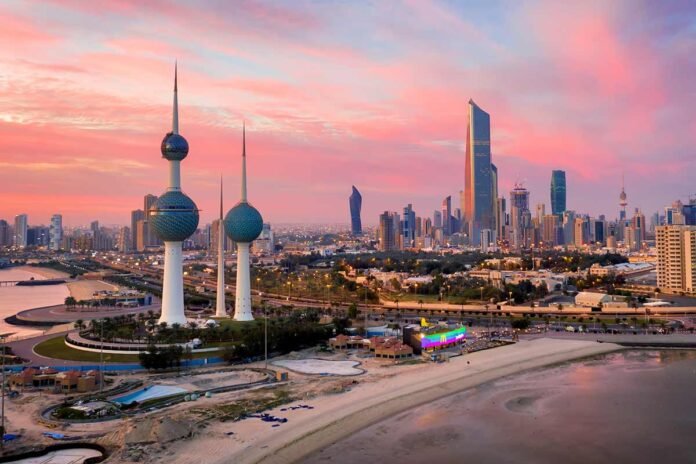
Kuwait’s Prime Minister highlighted the country’s economic turnaround at the World Government Summit. The Prime Minister said Kuwait moved from vision to implementation, launching major reforms to strengthen financial stability and expand private-sector participation. Moreover, they emphasized digital transformation, sustainable growth, and global cooperation as core priorities, signaling strong Kuwait economic reform.
The Prime Minister explained that decisive political will and rapid execution marked a transformative year for Kuwait. They identified three key lessons: bold decision-making, fast implementation, and genuine partnership. These principles guided reforms across financial, infrastructure, and governance sectors, illustrating the ongoing Kuwait economic reform progress.
Kuwait introduced major financial measures, including the Finance and Liquidity Law, to regulate public debt. New legislation on government bonds aligns with Islamic Sharia principles, boosting international confidence. These steps helped Kuwait secure a sovereign bond issuance worth $11.25 billion and improved its credit rating from A+ to AA- with a stable outlook.
Infrastructure projects also advanced Kuwait’s economic transformation. The country signed the Mubarak Al-Kabeer Port contract as a maritime trade gateway, opened a new airport control tower and third runway, and continued construction on a new passenger terminal. The Prime Minister also announced a railway study to connect Kuwait to Riyadh, forming a strategic sea-air-land transport network.
In energy and technology, Kuwait partnered with GE Vernova to build national expertise and establish a regional technology center. The Prime Minister also offered major opportunities for global oil and gas companies, including the Shaheen Peregrine export pipeline and the Al-Seif offshore development project. These projects support economic diversification while maintaining state sovereignty.
Kuwait expanded digital government services, with the ‘Sahl’ app handling over 25 million transactions. The Ministry of Finance migrated systems to the cloud, and integrated smart-government solutions to improve service efficiency. Health, housing, and education sectors also benefited from reforms, reinforcing human development as a national priority.
Legislation advanced across the country, with more than 50 amendments introduced. Authorities launched the Kuwait Visa platform, updated residency regulations, promoted tourism, and strengthened governance. The Prime Minister emphasized that peace and stability remain prerequisites for sustainable development. Kuwait also continues to advocate for dialogue, sovereignty, and humanitarian action internationally.
The Prime Minister concluded that Kuwait’s future depends on reform, transparency, and global cooperation. The country’s commitment to economic transformation, digital innovation, and private-sector engagement demonstrates ongoing Kuwait economic reform progress, which drives sustainable growth and global competitiveness.
