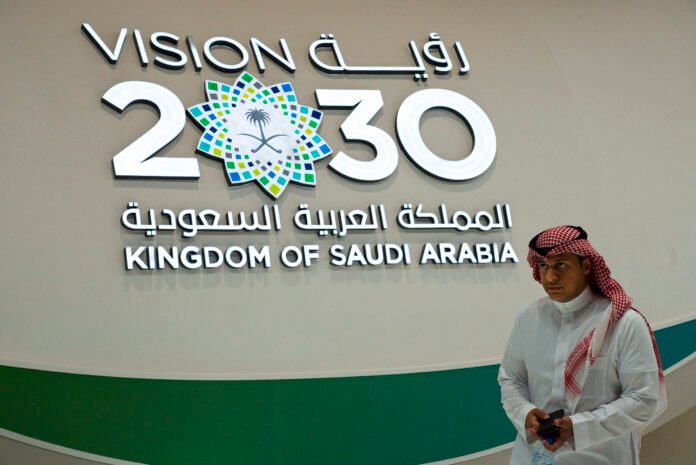
The Kingdom of Saudi Arabia is adjusting parts of its ambitious Vision 2030 development programme, with some large-scale tourism and entertainment projects slowed or revised amid global economic pressures and regional instability. However, industry leaders say investor confidence in the country’s hospitality sector remains strong.
Saudi Arabia’s long-term strategy under Vision 2030 aims to diversify the economy away from oil dependency by developing major tourism destinations, entertainment hubs, and hotel infrastructure across the country. But sustained pressure from lower oil revenues, shifting global demand, and geopolitical tensions linked to the war involving Iran has affected the pace of some developments.
The hospitality sector has also felt indirect pressure from higher energy prices, disrupted supply chains, and fluctuations in international travel demand. Despite this, global hotel operators and developers continue to view the kingdom as a key long-term growth market.
Executives from major international hotel groups said their commitment to the Saudi market remains unchanged, pointing to long-term contracts and extensive pipelines of planned properties. Many described the sector as resilient, with investment decisions focused on multi-decade returns rather than short-term fluctuations.
Hilton, which already operates a significant portfolio in the kingdom, continues to expand its presence, with additional properties under development. Industry leaders noted that recent legal and regulatory reforms, including changes in foreign ownership rules, are expected to further attract international investment.
However, some adjustments to state-backed giga-projects have emerged. Reports indicate that elements of the Public Investment Fund’s tourism and entertainment expansion plans have been revised, including changes to targets for hotel room development and tourism experiences. In some cases, projects have been delayed or restructured to improve efficiency and financial sustainability.
Despite these revisions, several major developments remain on track, including large-scale resort projects and mixed-use tourism zones. Developers involved in flagship destinations say construction and investment activity continues, although at a more measured pace in certain areas.
Industry executives argue that such recalibration is typical for mega-projects of this scale. They say long-term investor confidence is reinforced by strong government backing, ongoing regulatory reforms, and continued demand for luxury and experience-based tourism offerings.
Projects such as the Red Sea development continue to attract international and regional investment, with demand increasingly supported by both global travellers and domestic tourism. Developers also point to growing interest from investors in Asia and the Gulf region.
While short-term uncertainty remains due to geopolitical developments and global market conditions, stakeholders in Saudi Arabia’s hospitality sector say the country’s transformation strategy is still firmly in motion, even if timelines and delivery phases are being adjusted.