
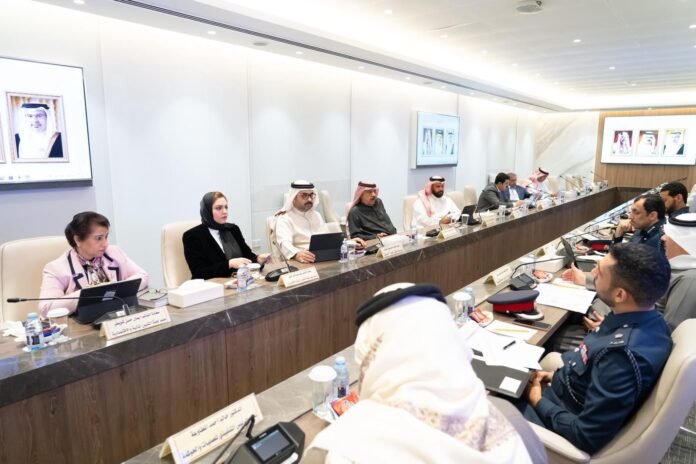
Bahrain’s Parliamentary Finance Committee reinforced Bahrain financial oversight during its recent session by reviewing the State Audit Bureau’s report. The committee focused on audit findings related to the Ministry of Interior and the Electricity and Water Authority. Representatives from both entities attended the session, providing updates on financial management and operational performance. These discussions highlighted the committee’s dedication to transparency, accountability, and stronger fiscal control across all government agencies.
The committee carefully examined key audit observations that could affect efficiency and public service delivery nationwide. The Ministry of Interior’s representatives explained corrective measures taken to address weaknesses identified in the report. Similarly, the Electricity and Water Authority responded to audit findings and highlighted improvements in resource management and service quality. These discussions strengthened Bahrain financial oversight while encouraging better governance across essential public institutions.
The committee also discussed Draft Law No. ( ) of 2024, related to major infrastructure development projects in Bahrain. The law ratifies the framework agreement for financing the Sheikh Jaber Al-Ahmad Al-Sabah Street Development Project, Phase Two. This project involves cooperation between Bahrain’s government and the Kuwait Fund for Arab Economic Development. The committee submitted its report to the House of Representatives’ Bureau for review and inclusion in the next legislative session agenda.
Members emphasized the importance of maintaining fiscal discipline while implementing large-scale development projects across the country. They stressed careful budgeting, continuous monitoring, and strict accountability to avoid overspending. Cooperation between ministries, authorities, and funding organizations is crucial to ensure project completion on time and within budget. These measures demonstrate Bahrain financial oversight in action while supporting sustainable development.
The Finance Committee, in its fourth session of the sixth legislative term, combines experienced and active members who monitor public spending closely. They review projects, ensure regulatory compliance, and strengthen parliamentary oversight. By assessing audit findings and infrastructure financing, the committee promotes transparency and accountability in financial operations. Overall, Bahrain financial oversight remains central to maintaining public trust, ensuring efficient resource use, and supporting long-term economic growth.