
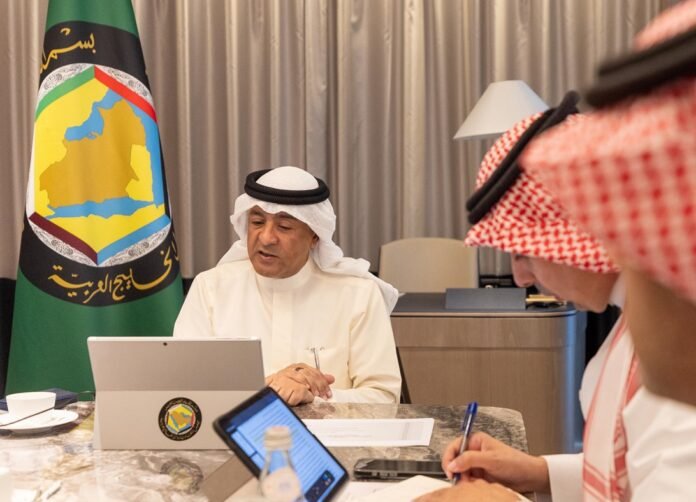
The Gulf Cooperation Council is actively advancing its free trade agreements with global partners. Secretary-General Jasem Al-Budaiwi recently held a virtual meeting. He met with the council’s specialized negotiation team on Sunday. Their discussion focused on reviewing current progress in ongoing talks.
The GCC bloc has already secured several important deals. They previously signed free trade agreements with numerous countries. These partners include New Zealand and Singapore. They also finalized a deal with EFTA nations. However, their work is far from complete.
Currently, negotiators are engaging with many key economies. Talks are underway with the European Union and Japan. Similarly, discussions continue with China and South Korea. Australia is also at the negotiation table. Furthermore, the GCC is talking with Pakistan and India. Turkey is another significant partner in these talks. Additionally, Mercosur member countries are involved. This group includes Argentina, Brazil, Paraguay, and Uruguay.
During the meeting, Al-Budaiwi listened carefully to updates. The negotiation team detailed their achieved advancements. He then emphasized the importance of continued effort. Securing mutual benefits for GCC citizens remains the top priority. He urged the team to intensify their valuable work.
Moreover, he highlighted the need to strengthen the GCC’s position. The bloc aims to be an active economic partner both regionally and internationally. The Secretariat fully supports the negotiation team’s efforts. Al-Budaiwi reaffirmed this commitment clearly.
He also reiterated the vital role of these pacts. Free trade agreements significantly advance economic integration among GCC countries. They also expand cooperation with international partners across various sectors. This strategy is crucial for future growth.
Signing such agreements is typically a lengthy process. It often takes many years to complete. The process begins with a detailed feasibility study. Negotiators must then identify the main themes. Multiple negotiation rounds always follow.
During these rounds, parties exchange offers and discuss provisions. They work diligently toward mutual settlements. After finalizing a draft, it undergoes legal review. Member states must then sign the agreement. National legislatures finally ratify it before implementation.
These agreements offer numerous benefits for GCC members. They reduce or even eliminate customs duties. This action significantly boosts trade volumes. They also increase investment opportunities dramatically. Importantly, they protect investors and service providers.
Additionally, they support local companies’ growth and market access. They guarantee intellectual property rights firmly. They also promote fair competition in government procurement. Consequently, these deals are a key tool for economic integration. They expand international trade partnerships effectively. The GCC continues to pursue these strategic goals actively.
