
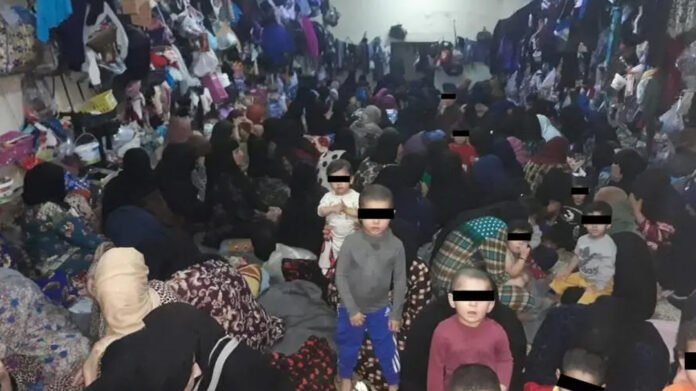
Iraq has started a new plan called foreign detainee repatriation. The plan focuses on sending back women and children held in Iraqi prisons. Officials say this process will take time, but it remains a top priority.
Iraqi authorities confirmed that foreign detainee repatriation will not include women sentenced to death. However, it will involve women linked to the Islamic State group and those jailed for common crimes. The largest number of prisoners comes from Turkey, Azerbaijan, and Russia. Officials also noted the presence of two French women, including Djamila Boutoutaou, jailed in 2018 for IS ties.
The Ministry of Justice announced that it formed a committee to prepare a clear roadmap for foreign detainee repatriation. Justice Ministry spokesman Ahmed Laibi said the committee is led by the minister himself. He stressed that hundreds of women and children remain in Iraqi penitentiaries. Authorities hope the new plan will also reduce severe prison overcrowding.
Iraq’s prisons currently hold more inmates than they can handle. In July, the ministry revealed that the facilities operate at 150 percent capacity. Sources confirmed that around 625 foreigners and 60 children are detained. Most of them face charges related to IS membership. Thousands of Iraqis also remain jailed for similar cases, often after fast-track trials criticized by NGOs.
Officials explained that removing foreign prisoners will ease pressure on the prison system. They believe it will also improve Iraq’s international cooperation. Last week, the justice ministry invited several diplomats to Baghdad to discuss the issue.
Foreign envoys, however, expressed caution. A European diplomat noted that such moves cannot happen overnight. He explained that each case requires bilateral agreements between governments. Without them, the process could face long delays.
At the same time, an Arab diplomat suggested that Iraq might speed up the process through memorandums of understanding. This method would allow executive action without waiting for parliamentary approval. Still, both diplomats underlined that the effort demands time and careful coordination.
Iraq continues to push for foreign detainee repatriation, but challenges remain. The government seeks to balance justice, security, and humanitarian concerns. For now, the plan signals Iraq’s willingness to cooperate with other nations while addressing its own prison crisis.
