
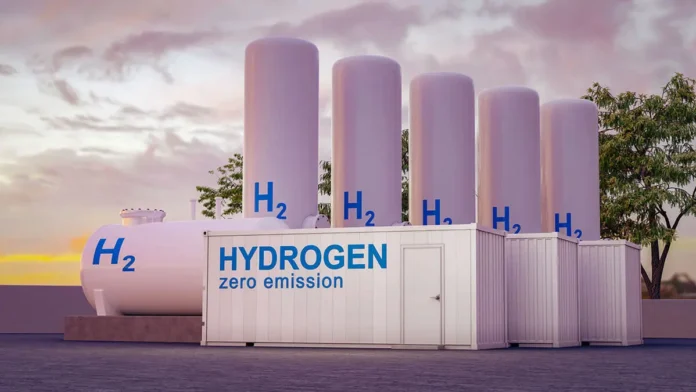
The United Arab Emirates is actively pursuing green hydrogen collaboration with the United Kingdom. This partnership aims to boost industrial decarbonisation and sustainable growth. The upcoming World Future Energy Summit in Abu Dhabi, scheduled for January 13-15, will highlight the role of green hydrogen collaboration in shaping low-carbon energy strategies.
The summit provides a platform for policymakers, investors, and industry leaders from both nations to explore joint initiatives. UAE expertise in renewable energy and large-scale carbon capture projects can help scale the UK’s green hydrogen industry. Furthermore, the event will showcase cross-border investment opportunities and strategic partnerships.
The UK has set a goal to expand low-carbon hydrogen production to 10 GW by 2030. Government officials emphasize the importance of moving from plans to action. Concrete projects already underway reflect a serious commitment to green hydrogen collaboration. UK authorities are actively creating regulatory frameworks to attract international investors, including UAE companies, to long-term projects.
Over the past year, roundtable discussions brought together clean energy companies, financial institutions, and government agencies from both countries. Participants agreed that UAE and UK expertise and ambitions align well for green hydrogen development. They also stressed that scaling the hydrogen industry requires strong capital, technical skills, and clear governance.
Domestically, the UAE has invested billions in upgrading facilities, such as the Ta’ziz Industrial Centre and a gigawatt-scale plant in Abu Dhabi’s KEZAD zone. Private UAE investors have also committed £18.5 billion to a new green hydrogen and ammonia project in Morocco, indicating the region’s growing interest in international ventures. These investments can now extend to the UK under the right conditions.
Industry leaders expect the period from 2026 to 2030 to mark a new phase of UAE-UK collaboration in hydrogen. Scaling projects from pilots to industry-wide applications will require massive funding, with the UK projecting an additional £9 billion of private sector investment for 27 key hydrogen initiatives.
The 2026 World Future Energy Summit will feature the Green Hydrogen Innovation Hub, highlighting over 20 startups that advance green hydrogen solutions. With strategic planning and coordinated efforts, UAE and UK partnerships can accelerate industrial decarbonisation while creating long-term economic opportunities.