
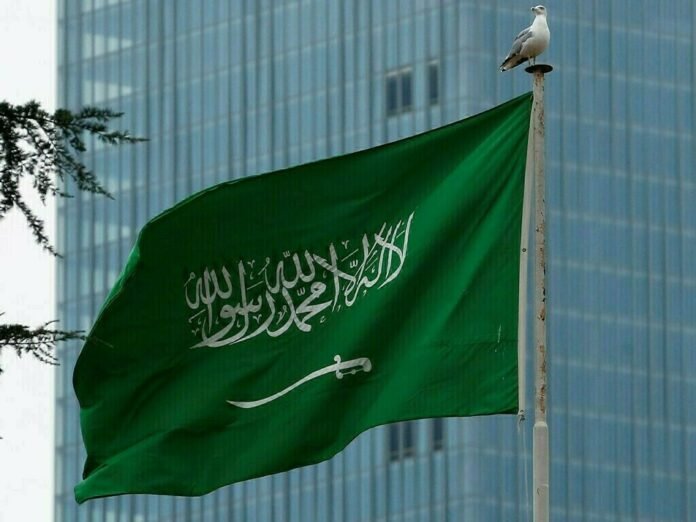
Saudi Arabia’s new Arabic language policy marks a major effort to expand the use of Arabic across education, public life, business, and technology. Government leaders say this plan will make Saudi Arabia a global centre for Arabic learning and cultural influence. The initiative also reinforces national identity by encouraging everyday use of Arabic in schools, courts, media, and global forums.
The Saudi Cabinet approved the new Arabic language policy to modernise how the language functions in society. Officials outlined five core goals, starting with strengthening Saudi Arabia’s role in preserving Arabic’s cultural richness. They also seek to boost the language’s role as a symbol of national identity and pride. Furthermore, the policy aims to make the language relevant to modern science, technology, and economic life.
According to the plan, Saudi Arabia will promote Arabic as an official language in all public institutions. These institutions must prioritise Arabic in official documents, communication, contracts, certificates, and signage. At the same time, organisations may use other languages when appropriate, such as for international business or technical communication.
Education systems will also see changes under the Arabic language policy. Schools and universities will encourage Arabic usage not only in literature or social studies but also in science and technical fields. Teachers will receive materials that help students master both foundational language skills and specialised vocabulary. This change aims to enhance students’ confidence in using Arabic across disciplines.
The policy goes further by encouraging Arabic research and academic publishing. Universities and research institutions will receive support to produce scientific and professional work in Arabic. Organisers expect that this focus will broaden the language’s role in global academic exchange and improve knowledge access in specialised fields.
Media outlets across Saudi Arabia will also take part. Broadcasters, news agencies, and online platforms will expand Arabic content and translations, even when they feature foreign media. This emphasis helps ensure that the majority of public communications remain accessible to Arabic speakers.
In the business world, companies and organisations receive guidance to integrate Arabic into their normal operations. These include customer communication, marketing, internal administration, and branding. Officials hope this shift will strengthen local economic culture and improve connections with Arabic‑speaking clients.
The policy further urges government entities to prioritise Arabic in diplomatic engagements, international conferences, and global forums. Translation support will help Saudi representatives maintain clarity and influence in international discussions.
Cultural and artistic sectors also feature in the Arabic language policy. Planners want Arabic to appear prominently in theatre, visual art, books, and cultural festivals. They believe that cultural production improves national identity while preserving heritage.
Officials say this effort reflects more than language reform. They describe it as a strategic move to safeguard heritage, support global cultural dialogue, and strengthen Saudi Arabia’s standing as a centre for Arabic education and influence.
