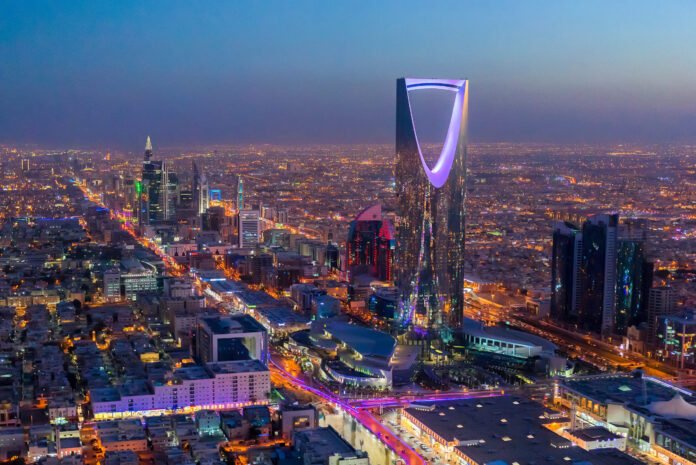
Saudi Arabia GDP growth reached 3.9% in the second quarter of 2025, signaling continued economic strength. According to official data, non-oil sectors provided the main momentum, reflecting the country’s diversification efforts.
The Saudi General Authority for Statistics reported a 4.6% rise in non-oil activity compared to the same quarter last year. This sharp increase highlights the effectiveness of reforms aimed at reducing reliance on oil revenues.
Among non-oil industries, electricity, gas, and water achieved the strongest performance. Finance, insurance, and business activities followed closely, contributing significantly to overall economic expansion. These results emphasize how strategic investments in varied sectors are reshaping the national economy.
Moreover, officials underscored that these positive numbers show resilience amid global economic challenges. They explained that Saudi Arabia continues to diversify, seeking stability while also opening new opportunities for investors. This balanced approach demonstrates that long-term planning is yielding practical results.
Importantly, analysts pointed out that Saudi Arabia GDP growth reflects confidence in the private sector. Businesses remain active in expanding services and infrastructure, further boosting national performance. By aligning with Vision 2030 goals, the private sector continues to play a vital role.
Additionally, technology adoption and infrastructure development are fueling progress. Officials believe that these measures will ensure sustainable results, creating jobs and strengthening competitiveness across multiple industries. They also expect further gains as reforms deepen and new projects launch.
At the same time, economic experts noted that non-oil growth supports household income and consumer demand. This trend helps strengthen social development, ensuring benefits reach different segments of society. Therefore, the positive numbers are not just abstract figures but reflect real impact.
Looking ahead, policymakers plan to maintain focus on expanding non-oil industries. They will continue encouraging innovation, entrepreneurship, and sustainable practices. These strategies are designed to keep momentum strong and ensure future gains remain consistent.
Ultimately, the latest results confirm steady progress. With reforms in motion, the kingdom’s economy shows resilience and adaptability. Clearly, Saudi Arabia GDP growth demonstrates that the non-oil economy has become a key driver of national prosperity.