
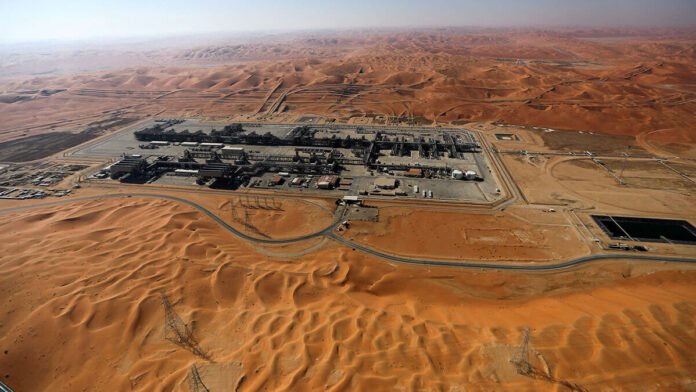
Saudi Arabia is boosting critical mineral development, aiming to become a major player in global mining. Moreover, the kingdom is hosting events, showcasing technology, and attracting international partners.
Through the Future Minerals Forum, Riyadh gathered delegations from 57 countries. This move shows real outreach, not symbolic leadership. Furthermore, teams from Europe, India, and emerging markets joined innovation showcases and competitions, highlighting Saudi Arabia’s critical mineral development ambitions.
State-backed entities like Maaden and programs under the National Industrial Development and Logistics Program (NIDLP) drive mining modernization. Additionally, they implement digital mining tools and upstream innovation aligned with Vision 2030, diversifying the economy beyond oil.
Despite progress, the kingdom still lacks downstream infrastructure, such as separation plants, metallization facilities, and magnet production. Meanwhile, China controls 85–90% of rare earth processing globally. Without large-scale facilities and strategic joint ventures, innovation alone cannot deliver full industrial control.
Still, these initiatives matter. By hosting forums, competitions, and tech showcases, Saudi Arabia positions itself as a thought leader in critical mineral development. Moreover, these steps prepare the kingdom for future hard infrastructure projects like separation plants and magnet lines.
Critical mineral development requires planning and execution. Innovation competitions reward ideas, but supply chains demand permits, capital, and operational expertise. Investors must separate symbolic leadership from material capability.
In conclusion, Saudi Arabia’s push in critical mineral development blends ambition, innovation, and strategic signaling. With continued investment in downstream infrastructure, the kingdom could evolve into a global leader in rare earths and other minerals. For now, these efforts reflect intent, planning, and the early stage of a more diversified mining economy.
