
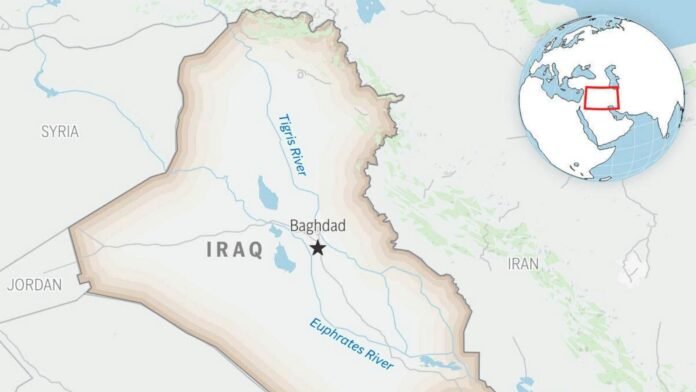
A former senior Iraqi officer faced execution this week. The government convicted him for a historic sectarian crime. This historic sectarian crime happened over four decades ago. Major General Saadoun Sabri al-Qaisi died by hanging. He was a high-level officer under Saddam Hussein’s rule. Iraqi security services announced the execution on Monday. They arrested al-Qaisi just last year after a long pursuit.
A state court found him guilty of crimes against humanity. His charges included the 1980 killing of a prominent Shiite cleric. The cleric’s name was Mohammed Baqir al-Sadr. Al-Qaisi also faced charges for killing other civilian families. The agency did not reveal the precise date of the execution.
This execution delivers belated justice for a historic sectarian crime. The killing of al-Sadr was a pivotal moment in Iraqi history. He was a leading critic of Iraq’s secular Baathist government. His opposition grew after Iran’s 1979 Islamic Revolution. Saddam Hussein then feared a Shiite-led uprising inside Iraq. Authorities moved against Shiite activists in early 1980.
They arrested al-Sadr and his sister Bint al-Huda. Both were tortured before their execution in April 1980. The act sparked widespread outrage across the Muslim world. It became a lasting symbol of repression under Saddam. Saddam hailed from Iraq’s Sunni minority ruling class. The cleric’s death exacerbated deep sectarian tensions in Iraq.
Iraqi authorities have pursued many former regime officials since 2003. The U.S.-led invasion toppled Saddam Hussein’s government that year. The new government then sought justice for past atrocities. This case specifically addresses a painful chapter for Shiites. The al-Sadr family remains hugely influential in Iraqi politics. Contemporary Shiite political leaders often reference the cleric’s martyrdom.
Therefore, this execution carries significant political weight today. It demonstrates the state’s stance on past regime crimes. However, human rights groups consistently criticize Iraq’s actions. These groups oppose the country’s application of the death penalty. They argue for transparent trials and due process.
The execution concludes a case spanning several generations. It provides symbolic closure for the victims’ families and supporters. Yet, it also revisits Iraq’s complex and painful history. Sectarian divisions from that era still influence current politics. The punishment underscores a continued reckoning with the past. Iraq continues to grapple with Saddam Hussein’s dark legacy. This historic sectarian crime will not be forgotten anytime soon. The execution marks a definitive but somber judicial milestone.
