
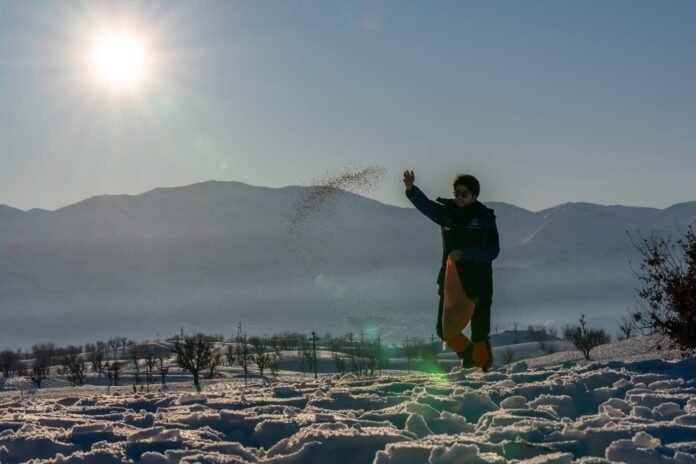
The Rwanga Foundation launched a winter wildlife feeding campaign to help birds and wild animals survive harsh winter conditions. Officials said the initiative aims to provide critical food supplies across plains and mountain slopes in the Soran Administration. The winter wildlife feeding campaign comes as heavy snow has depleted natural food sources, threatening local wildlife.
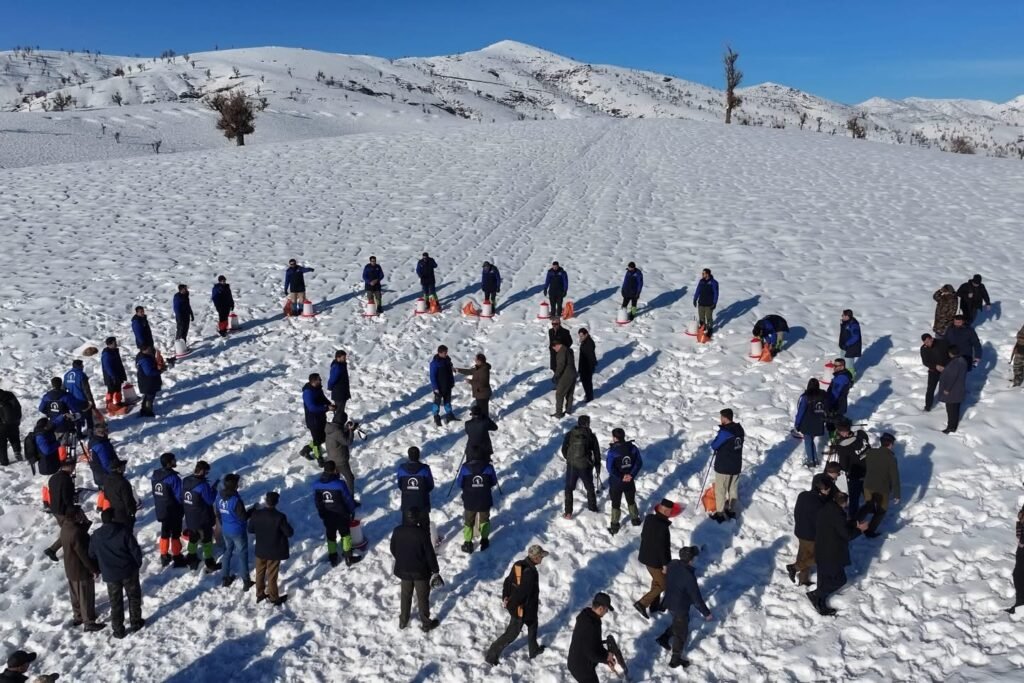
The campaign operates in coordination with the Sidakan district administration and the local environment department. Volunteers and staff delivered food to areas including the Hert plain and the villages of Dostanan, Lllkan, Gora Batrash, and Shevan. Moreover, organizers plan to expand the effort in the coming days to Mount Safin and other nearby locations, ensuring broader coverage.
Rwanga Foundation, meaning “vision,” is a non-governmental organization focused on education, community services, and capacity building. Founded in 2013 and headquartered in Erbil, Rwanga has reached over three million people through humanitarian, educational, and community-development programs. The organization operates in four main sectors: education, youth, environment, and support for vulnerable groups. This winter wildlife feeding campaign falls under its environmental initiatives, highlighting its commitment to protecting local ecosystems.
Volunteers emphasized the urgency of the campaign due to extreme cold and snow. Birds and wildlife struggle to find food, which increases mortality risk during prolonged winters. Therefore, the winter wildlife feeding campaign plays a crucial role in sustaining local biodiversity. In addition, Rwanga staff and community members distributed food supplies systematically, ensuring that remote and high-altitude areas received assistance.
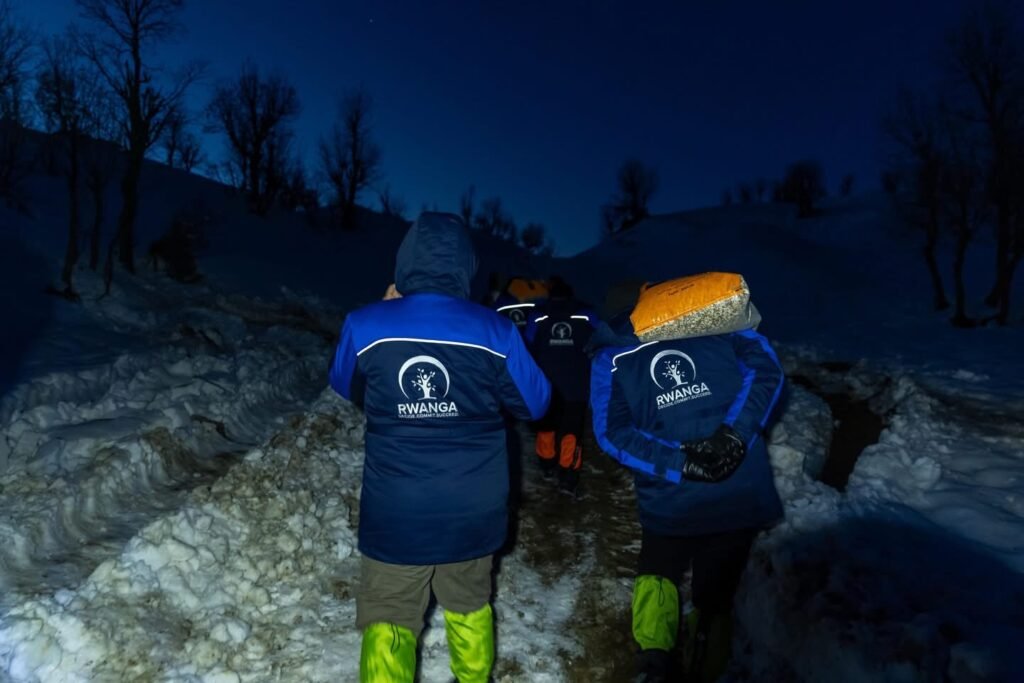
Officials also noted that community participation strengthens local awareness about wildlife conservation. By combining direct support with education on environmental protection, the campaign ensures long-term benefits. Furthermore, the initiative highlights how NGOs can mobilize resources rapidly during critical periods to reduce ecological stress.
In conclusion, the winter wildlife feeding campaign demonstrates Rwanga Foundation’s proactive approach to environmental protection in Kurdistan. It addresses immediate survival needs for wildlife while fostering community engagement and awareness. Moreover, this campaign reflects Rwanga’s broader mission to support vulnerable populations, including both humans and animals, during challenging conditions. The initiative sets an example for how coordinated humanitarian and environmental efforts can safeguard ecosystems while empowering local communities.