
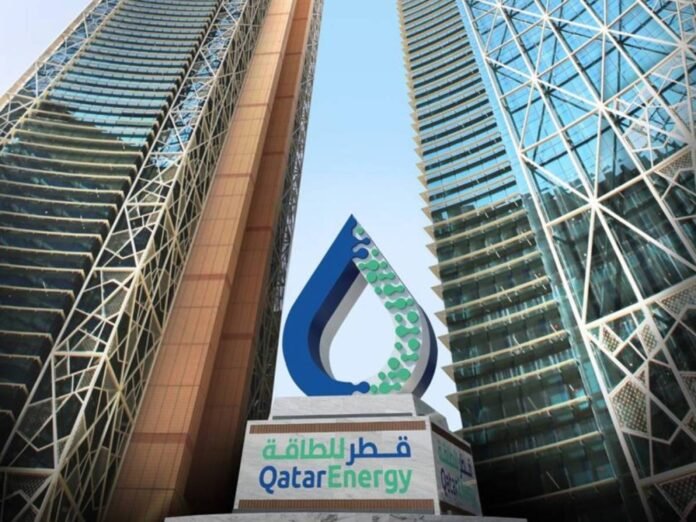
QatarEnergy has signed a 17-year Sales and Purchase Agreement (SPA) with Gujarat State Petroleum Corporation (GSPC). Emphasizing the strength of the Qatar-India LNG partnership. Under the deal, QatarEnergy will supply up to one million tons per year of liquefied natural gas (LNG) to India, starting in 2026.
The agreement includes ex-ship delivery of LNG to Indian terminals, providing a reliable supply to support the country’s growing energy needs. This long-term arrangement builds on a previous SPA signed in 2019, reflecting the continued confidence and trust between both organizations.
QatarEnergy’s leadership highlighted that the SPA not only strengthens bilateral cooperation but also supports India’s energy security goals. The agreement aligns with India’s ambition to diversify its energy sources while transitioning toward a cleaner and more sustainable energy.
Moreover, the deal demonstrates QatarEnergy’s commitment to delivering safe and reliable LNG supplies worldwide. It also underscores the company’s strategic focus on fostering global partnerships and contributing to sustainable energy solutions. Analysts note that long-term contracts like this provide stability for both suppliers and consumers, ensuring predictable energy flows and supporting investment planning.
The Qatar-India LNG partnership extends beyond mere supply. It reinforces economic ties and reflects shared interests in advancing cleaner energy initiatives. The agreement allows India to meet growing domestic energy demand while benefiting from QatarEnergy’s state-of-the-art LNG infrastructure and technical expertise.
QatarEnergy also emphasized that this SPA represents part of its broader strategy to enhance global LNG outreach. By working closely with key markets, the company promotes sustainable growth while supporting the energy transition in developing economies.
In addition, the long-term nature of the agreement helps both parties plan infrastructure investments efficiently. Terminals in India will be prepared to handle the contracted volumes, and QatarEnergy will ensure timely delivery through its established shipping and logistics network.
Overall, the Qatar-India LNG partnership reinforces energy collaboration between the two nations. It supports economic development, strengthens energy security, and contributes to a sustainable energy future. The deal sets a benchmark for long-term LNG cooperation in the region and highlights QatarEnergy’s role as a trusted global supplier.
With this deal, Qatar and India demonstrate energy leadership, aligning strategic vision and practical steps to ensure long-term supply security.