
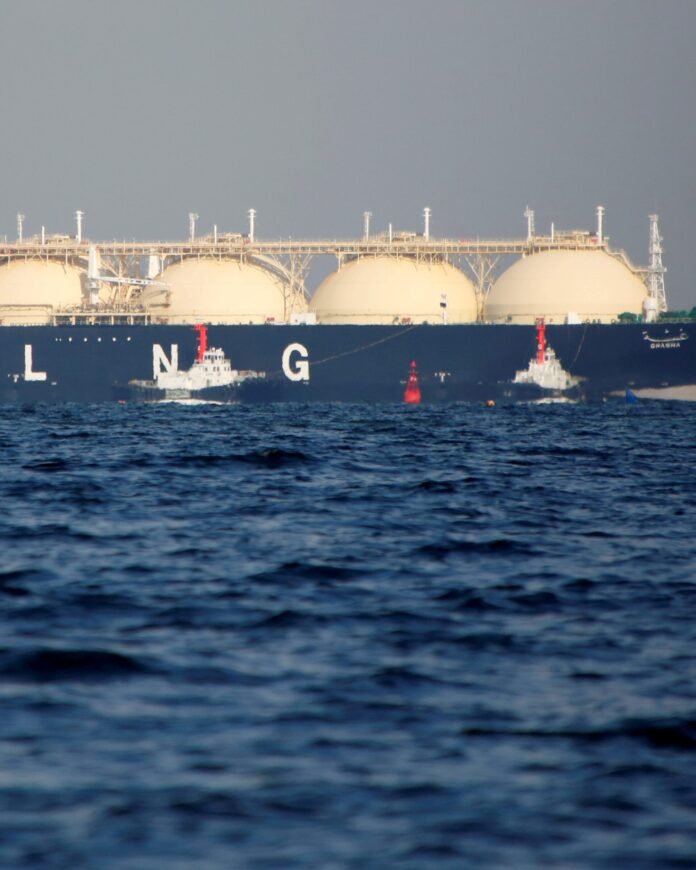
Qatar LNG delay reshapes the global gas market outlook. The shift slows fresh supply into international markets. Consequently, traders expect tighter conditions. Buyers also prepare for firmer prices across regions.
First, QatarEnergy adjusted the startup schedule for its massive North Field East project. Leaders chose a later production target than earlier guidance. They want extra time for testing and system checks. Therefore, the first cargo will leave later than many customers expected. Qatar LNG delay now impacts both Asia and Europe.
As a result, supply growth may lag behind forecasts. Europe still hunts for alternatives to Russian pipeline gas. Meanwhile, Asian economies compete aggressively for long-term contracts. This competition increases pressure on prices and availability.
Qatar LNG delay occurs while global demand continues to rise. Power plants, factories, and utilities all depend on LNG imports. Consequently, even small delays affect the balance quickly. Markets now react with caution and volatility.
Meanwhile, engineers continue inspections across the site. They test liquefaction trains, pipelines, and storage tanks. Teams fix technical issues step by step. This careful approach reduces operational risks during startup.
Additionally, large energy projects often face late-stage complications. Contractors must coordinate thousands of components at once. They also manage heavy logistics and complex safety rules. Therefore, slight setbacks can easily shift schedules.
At the same time, supply chains still strain under global pressure. Equipment makers struggle to deliver specialized parts quickly. Shipping delays slow construction timelines further. Moreover, rising costs squeeze project budgets.
Because of these hurdles, developers worldwide adjust expectations. Several LNG projects now move slower than planned. Consequently, the market receives less new supply than forecasts suggested. This trend supports stronger prices for exporters.
Still, Qatar maintains an ambitious strategy. Leaders aim to nearly double the country’s LNG export capacity over time. They invest billions in new trains and facilities. They also sign long-term deals with key customers.
Qatar LNG delay has not slowed investment. Construction crews continue working daily across the North Field. Management coordinates closely with international partners. These efforts show confidence in sustained demand.
Furthermore, energy security now drives many governments. Countries seek stable suppliers they can trust. Qatar offers reliability and long-term contracts. Therefore, buyers keep strengthening ties with Doha.
Elsewhere, some overseas LNG plants face financial stress and contractor setbacks. Those problems slow competing supply growth. Consequently, Qatar’s expansion carries even greater weight in the market. Traders now watch every update from the project.
In the near term, tighter supply could lift global gas prices. Higher prices may boost revenues for exporters. However, importers may face heavier costs for power and industry. This imbalance adds pressure to inflation worldwide.
Even so, QatarEnergy favors precision over speed. Executives want smooth operations from the first shipment. They prefer steady performance rather than rushed output. That mindset protects long-term reliability.
In the bigger picture, the expansion marks only the first phase. Future stages will add even more export capacity. Therefore, today’s delay changes timing, not ambition. Qatar still plans to dominate LNG supply growth for years.
Overall, markets now adjust expectations. Analysts revise forecasts and pricing models. Buyers secure contracts earlier than before. Clearly, Qatar LNG delay influences the entire global energy landscape.
