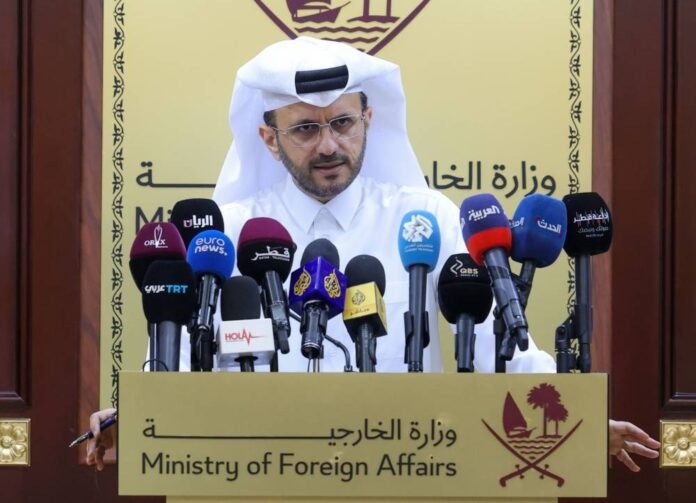
Qatar has successfully intercepted over 90% of incoming threats, demonstrating the country’s strong defensive capabilities and strategic coordination. This achievement underscores Qatar’s commitment to regional security while emphasizing the importance of Gulf unity in responding to aggression.
According to Dr Al Ansari, defense operations have neutralized most incoming threats efficiently. He highlighted that Qatar continues to engage actively with neighboring countries to ensure regional stability. In particular, diplomatic consultations with Egypt on Sunday focused on coordinated responses to ongoing regional developments.
Furthermore, communication among leaders and foreign ministers of Gulf Cooperation Council (GCC) countries occurs almost daily. This regular interaction allows Gulf states to present a unified stance rejecting Iranian aggression and calling for immediate de-escalation. Qatar’s unified position also extends to collaboration with international partners, including the United States and several European countries, strengthening regional security frameworks.
Dr Al Ansari emphasized that Gulf diplomacy actively seeks peaceful solutions while maintaining defensive readiness. Qatar continues sending clear messages to the international community about the seriousness of ongoing attacks. This approach balances strong defense with proactive diplomacy.
Recently, Qatar’s Prime Minister and Minister of Foreign Affairs met with Germany’s foreign minister to discuss the escalating military situation. Qatar reaffirmed its condemnation of Iranian attacks and stressed the protection of critical infrastructure, including water, energy, and food facilities.
Meanwhile, Qatar’s Minister of State for Foreign Affairs participated virtually in joint ministerial meetings with GCC foreign ministers and international partners, including the United Kingdom, Morocco, Egypt, and Jordan. These discussions aim to coordinate strategies and enhance collective security.
Additionally, Qatar welcomed United Nations Security Council Resolution 2817, which condemned attacks in the region. The country also condemned an Iranian strike targeting the port of Salalah in Oman, reinforcing its role as a proactive mediator and responsible regional actor.
By maintaining strong defense systems and active diplomacy, Qatar demonstrates how strategic coordination and Gulf unity can neutralize threats and promote regional stability. This combination of military readiness and diplomatic engagement ensures the country remains resilient against evolving challenges.