
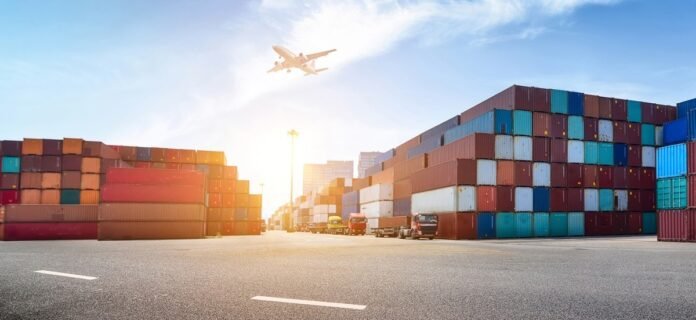
Qatar customs has emerged as a central driver of trade and logistics activity, maintaining high cargo volumes and efficient processing nationwide. The strong performance underscores Qatar customs’ role in supporting regional and global supply chains.
In December 2025, Qatar customs handled impressive volumes across land, sea, and air ports. Air cargo led the way, reaching 568,658 tonnes, reflecting Qatar’s strategic position in global freight networks. Hamad International Airport and Qatar Airways Cargo ensured smooth movement of high-value and time-sensitive goods between international markets.
Meanwhile, land cargo activity remained steady at 21,423 tonnes. Land transport continues to be vital for regional trade and domestic supply chains, reinforcing Qatar customs’ integrated approach. Sea cargo volumes also played an important role, reaching 17,810 tonnes during the month. Hamad Port handled containerized and bulk shipments efficiently, complementing air and land logistics operations.
Qatar customs also processed 607,891 customs declarations in December. The high number of processed declarations reflects the system’s efficiency in managing imports, exports, and transit cargo. Officials credit the performance to digital transformation initiatives through the Al Nadeeb platform. This system integrates all customs operations into a single electronic network, streamlining procedures and improving coordination with the private sector.
Moreover, Qatar customs’ digital tools enhanced risk management and reduced clearance times, strengthening the reliability of the national trade system. These efforts align with the country’s broader economic strategy to support business activity and maintain supply chain stability amid shifting global trade conditions.
Officials also noted that Qatar customs plans to expand digital services further. Advanced inspection technologies and increased international collaboration will enhance Qatar’s competitiveness. Such initiatives aim to reinforce the country’s position as a trusted hub for regional and global trade.
Overall, December 2025 highlights Qatar customs’ growing influence on the nation’s economy. The authority’s strategic management of air, land, and sea freight, along with efficient customs processing, demonstrates its critical role in sustaining supply chains. While trade volumes grow, Qatar customs remains central to national development and international business confidence.
