
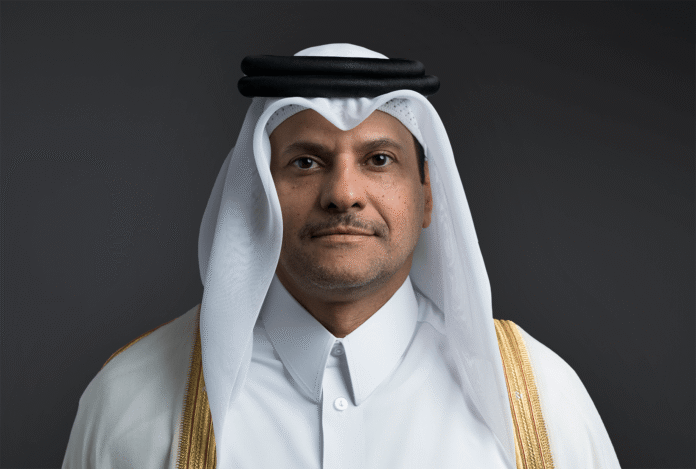
The Qatar Cabinet decisions took center stage during a meeting at the Amiri Diwan, led by Deputy Prime Minister HE Sheikh Saoud bin Abdulrahman bin Hassan bin Ali Al-Thani. The Qatar Cabinet decisions focused on regional developments, especially the outcomes of the Arab-Islamic Emergency Summit in Doha. Moreover, the Qatar Cabinet decisions reflected Qatar’s role in promoting peace, stability, and stronger international cooperation.
Moreover, members of the Qatar Cabinet praised HH the Amir Sheikh Tamim bin Hamad Al-Thani for his impactful speech. He outlined the objectives, impacts, and threats from Israeli attacks and called for clear actions to safeguard regional peace. Consequently, the summit highlighted Qatar’s role in promoting stability across the Arab and Islamic world, a point strengthened by the Qatar Cabinet decisions.
The Qatar Cabinet emphasized that the summit sent a strong message against state terrorism. Leaders expressed full support for Qatar and reaffirmed its commitment to international law. They also applauded Qatar’s efforts to mediate conflicts and promote regional peace. These stances became part of the Qatar Cabinet decisions that underline unity across the Arab and Islamic nations.
Officials highlighted that the GCC Extraordinary Session condemned the Israeli attacks. In fact, the Supreme Council stated that an attack on any GCC state equals an attack on all members. Furthermore, they confirmed readiness to use all resources to protect Qatar’s security. Such affirmations aligned with the Qatar Cabinet decisions made during the meeting.
The Qatar Cabinet also welcomed the UN Security Council’s statement condemning the attack on the Hamas delegation in Doha. Similarly, they supported the UN General Assembly’s “New York Declaration,” advocating a Palestinian state on the 1967 borders with East Jerusalem as its capital. Consequently, the Qatar Cabinet decisions reinforced the call for a practical two-state solution.
Additionally, the Qatar Cabinet approved a draft law to strengthen the Audit Bureau. This law enhances oversight, transparency, and accountability in public funds. At the same time, they updated the technical committee’s rules on government service fees to improve fairness and efficiency. These reforms came through the Qatar Cabinet decisionsdesigned to protect public resources.
Cabinet members also agreed on several memoranda of understanding with regional and international partners. These agreements cover courts, real estate, charity work, political consultations, air services, and investment. Partner countries include Saudi Arabia, Jordan, Rwanda, Mauritania, Tanzania, Solomon Islands, Dominica, and Tajikistan. All these agreements fit into the broader Qatar Cabinet decisions that seek stronger ties abroad.
The Qatar Cabinet reviewed the fourth annual report on correctional institutions. The report highlighted reforms, rehabilitation programs, and compliance with national and international standards.
Finally, the Qatar Cabinet examined reports on Qatari ministers’ participation in GCC meetings on housing, trade, industry, and law. These final reviews, part of the broader Qatar Cabinet decisions, aim to strengthen governance, boost international relations, and enhance Qatar’s regional influence.
