
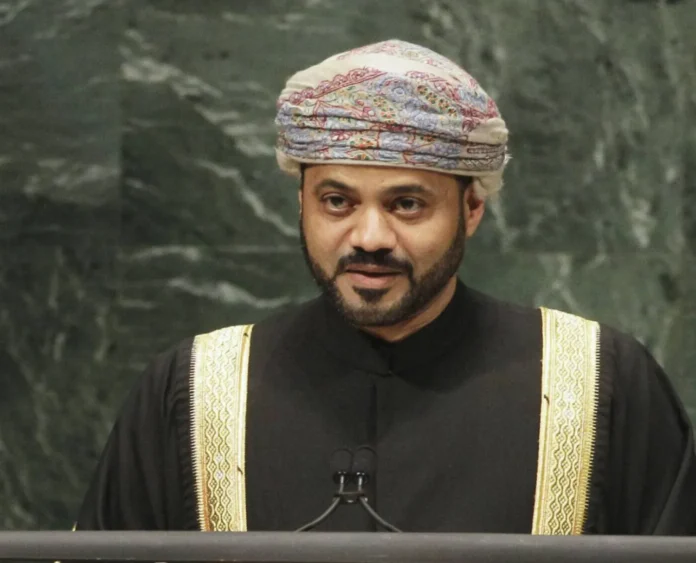
Gulf maritime diplomacy took center stage as Sayyid Badr Hamad Al Busaidi of Oman led a series of high-level discussions on regional security and maritime stability. He engaged with Iranian officials and multiple international counterparts to address tensions affecting shipping routes and political negotiations. The talks focused heavily on the situation in the Strait of Hormuz and wider regional stability concerns. Officials also reviewed humanitarian issues linked to detained seafarers.
Gulf maritime diplomacy featured prominently during direct talks between Sayyid Badr and Iran’s foreign minister. Both sides discussed safeguarding navigation in the Strait of Hormuz. They stressed the responsibility of coastal states to ensure safe maritime movement. They also highlighted the importance of avoiding escalation in sensitive waters that carry global energy shipments.
During the meeting, Sayyid Badr also raised humanitarian concerns involving seafarers held for extended periods. He called for practical diplomatic solutions to secure their release. In addition, he emphasized that continued dialogue remains essential to reduce regional tension. Both sides agreed that communication channels must remain open to prevent further instability.
Gulf maritime diplomacy expanded further as Sayyid Badr held separate calls with regional and international partners. These discussions included officials involved in ongoing US–Iran negotiations. He exchanged views on regional developments and their impact on security and trade routes. Leaders collectively stressed the need for diplomatic progress to reduce conflict risks.
In these talks, Sayyid Badr engaged with counterparts from several countries across the Middle East, Europe, and North America. The discussions covered coordination on political tensions and maritime safety. Participants also reviewed efforts aimed at restoring stability and ensuring uninterrupted global shipping flows. Many emphasized the importance of continued cooperation.
Gulf maritime diplomacy remained the central framework linking all discussions. Sayyid Badr highlighted that regional stability depends on secure maritime corridors. He also noted that disruptions in key waterways could impact global supply chains. This reinforced the shared interest among participating states in maintaining stability.
The talks concluded with agreement on continued coordination and diplomatic engagement. Sayyid Badr and his counterparts supported further dialogue to manage ongoing tensions. They also stressed that long-term stability requires sustained communication and cooperation among regional and international actors.
Gulf maritime diplomacy continues to guide Oman’s approach as it plays an active role in reducing tensions and promoting dialogue across the region.
