
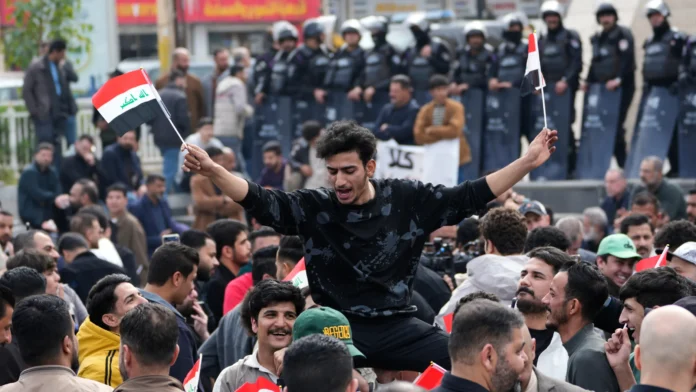
A widespread customs tariff protest has shuttered Baghdad’s main markets. Wholesale traders launched a significant strike this Sunday. They fiercely oppose new government import fees. This customs tariff protest highlights deep economic anxieties. The policy directly threatens trader livelihoods and consumer wallets. Officials argue these tariffs will strengthen national finances. The trading community however predicts severe economic hardship.
Consequently, key commercial districts fell quiet and empty. The strike demonstrates substantial collective action against the policy. Traders gathered outside the capital’s customs department. Therefore, they urgently demanded a full repeal of the decision. This new customs tariff protest stems from January first. Tariffs ranging from five to thirty percent took effect. Moreover, the fees apply to many imported goods now. These include clothing, electronics, and various food items.
Merchants explain these costs will transfer directly to consumers. Trader Haidar Kadhim described rapid price increases already. However, he noted cigarette prices jumped within one single hour. Ahmed Jabbar stated he must add tariffs to final prices. Employees will therefore feel intense budget pressure immediately. Furthermore, their salaries will cover far less than before. Ultimately the citizen bears this heavy financial burden.
Importing goods has now become financially unviable for many. Clothing merchant Haidar Abdulkareem provided a stark example. Also, a container once costing three million dinars now costs thirty-seven million. An item priced at five thousand dinars must reach forty thousand. Logic and reason cannot accept this dramatic change he said. This situation will inevitably stifle trade and commerce.
The government vigorously defends these controversial new measures. Officials cite a need to reduce substantial public debt. Moreover, they also aim to curb reliance on volatile oil revenues. Global oil prices have fallen recently creating pressure. The state seeks new non-oil revenue streams through tariffs. Authorities additionally claim the policy will combat corruption. They believe it will strengthen the domestic economy long-term.
Economic consultants acknowledge serious market disruptions currently. Aqeel Jassim Al-Tai cited a real challenge for trade. However, rising exchange rates and rapid decisions hurt business. Ports face crowding and imports experience major delays. Consumer and trader demand is rising simultaneously. He stressed merchants support regulating trade properly. They also endorse supporting domestic product development.
However Al-Tai called for realistic and studied policy application. He urged a three-month period to correct obvious mistakes. Therefore, the goal must be ensuring genuine price stability for everyone. Procedures should ease and practical solutions must emerge. Market costs need reduction for sustainable operations. A stable market remains the essential ultimate objective. The current customs tariff protest underscores this urgent need.
Traders warn the policy risks accelerating rampant inflation. Household incomes already face deepening pressure daily. Furthermore, the strike aims to highlight this immediate economic danger. Market shutdowns demonstrate the policy’s real-world impact clearly. The government now must balance revenue needs carefully. It must also consider severe public discontent and struggle. This customs tariff protest may influence future economic planning.
