
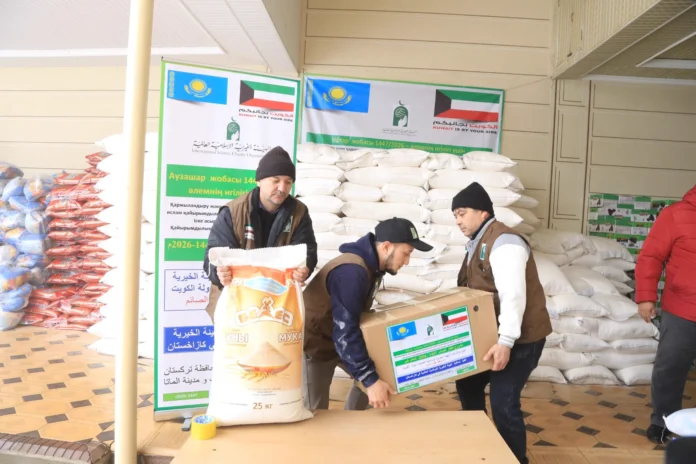
Kuwaiti charities are expanding overseas aid through food assistance, healthcare, education and housing projects in Benin, Tanzania and Kyrgyzstan. The initiatives form part of the “Kuwait Bejanbak” campaign, which supports communities through humanitarian assistance and longer-term development programmes.
In Benin, Ataa Charity Society delivered emergency assistance to approximately 1,000 people and provided healthcare to around 400 patients. The organisation distributed food baskets containing rice, cooking oil, pasta and other essential items to help families facing hardship. In addition, medical teams supplied medicines, nutritional supplements and other healthcare materials, particularly for people experiencing malnutrition.
The society also inspected 46 mosques it previously constructed, which collectively serve approximately 6,900 worshippers. Beyond providing places for prayer, these mosques support religious education, including lessons on the Holy Quran and the Prophet’s Sunnah. The organisation’s Director General, Dr Omar Al-Shuqraa, acknowledged the assistance of Kuwait’s Ministries of Social Affairs and Foreign Affairs in facilitating field visits and charitable activities.
Meanwhile, Namaa Charity, which operates under the Social Reform Society, opened Al-Namaa Secondary School in Zanzibar, Tanzania. The charity developed the school in partnership with Bahrain’s Kaaf Humanitarian organisation. According to Namaa’s Head of Programs and Initiatives, Khaled Al-Shamali, the facility contains nine rooms, including five classrooms, alongside laboratories and equipped learning spaces.
Al-Shamali highlighted education’s role in sustainable development and stressed the importance of giving young people access to knowledge and practical skills. Furthermore, the partnership demonstrates cooperation between Gulf-based organisations in delivering educational and humanitarian projects.
In Kyrgyzstan, Al-Safa Charity Society expanded its housing programme by opening three residential villages containing approximately 275 homes. Kuwaiti donors funded the developments, which also include mosques, healthcare facilities and water infrastructure. The projects comprise 100 homes in Issyk-Kul province, 75 homes in Naryn province’s Al-Hayat village, and another 100 homes in Karakol.
The society also expanded healthcare access by opening a specialised hospital and an equipped clinic in Naryn province. The facilities include an emergency department and serve approximately 15,000 people from Naryn and surrounding villages. Additionally, another clinic between Issyk-Kul and Karakol aims to improve medical access for residents in remote communities.
Water infrastructure forms another part of the society’s development work. Al-Safa opened water networks in villages near Bishkek and in Osh province to improve access to safe, reliable supplies. It also constructed several mosques, including its largest in Batken province, where approximately 500 people attended the opening alongside local officials, religious scholars and community elders.
Together, these projects illustrate how Kuwaiti charities combine immediate assistance with longer-term community development. Their work spans food security, medical services, education, housing and access to clean water. Through these initiatives, Kuwaiti charities continue supporting vulnerable communities while investing in facilities intended to meet essential needs over time.
