
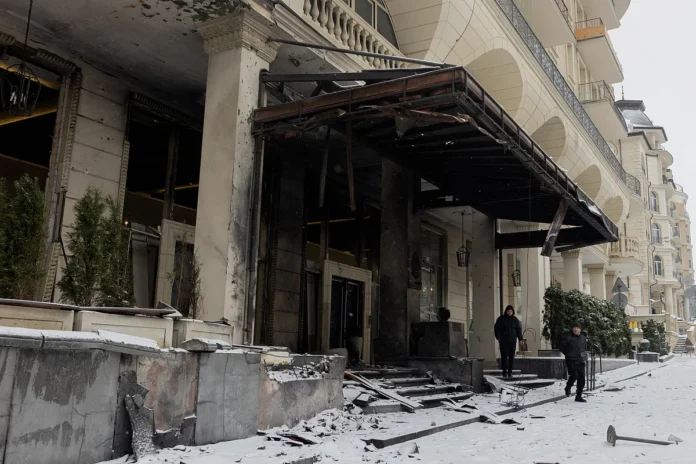
Kuwait expressed deep concern over damage to the Qatar embassy in Kyiv, highlighting the importance of protection of diplomatic missions. The statement followed shelling in the Ukrainian capital, which destroyed residential buildings and hit diplomatic premises. Kuwaiti officials stressed that all parties must resolve conflicts through dialogue and legal channels, supporting international efforts to ensure peace.
The ministry emphasized that all countries must follow the Vienna Convention on Diplomatic Relations, which safeguards diplomats, embassy staff, and premises. They urged host countries and warring parties to respect international law and avoid exposing diplomatic missions to conflict. These measures allow embassies to operate safely even during ongoing tensions.
Qatar confirmed that the shelling damaged its embassy in Kyiv but reported that its staff remained unharmed. Officials described the situation as alarming but emphasized that no lives were lost among diplomats. Qatar also reaffirmed its commitment to mediating conflicts and protecting civilians through diplomatic efforts.
Ukrainian President Volodymyr Zelensky reported that the strikes damaged 20 residential buildings in Kyiv and its suburbs, alongside the Qatar embassy. He described the night-time Russian attack as massive and noted that it included hypersonic missile strikes. Zelensky highlighted Qatar’s efforts to mediate with Russia, particularly regarding the release of prisoners of war and civilians held in Russian detention.
Russia denied targeting the embassy and claimed Ukrainian air defense caused the damage. Regardless of the source, the incident drew international attention to the need to safeguard foreign missions. Officials from Kuwait, Qatar, and Ukraine stressed reinforcing protective measures and avoiding risks to diplomatic staff.
Kuwaiti authorities reiterated their firm position that all crises must end peacefully. They emphasized continuing dialogue and joint international coordination. The focus on protection of diplomatic missions remains essential to maintain trust, promote regional stability, and ensure compliance with the United Nations Charter.
The incident highlights the growing risks for diplomatic missions in conflict zones. International law provides frameworks, but countries must respect and enforce them. Officials urged all parties to follow agreements that guarantee embassy safety. Continued attention to protection of diplomatic missions ensures diplomacy can function even amid hostilities.
Overall, Kuwait’s response shows its commitment to international norms, diplomatic safety, and regional stability. Through proactive diplomacy and legal compliance, the Kingdom supports peaceful resolutions while advocating protection of foreign missions.
